
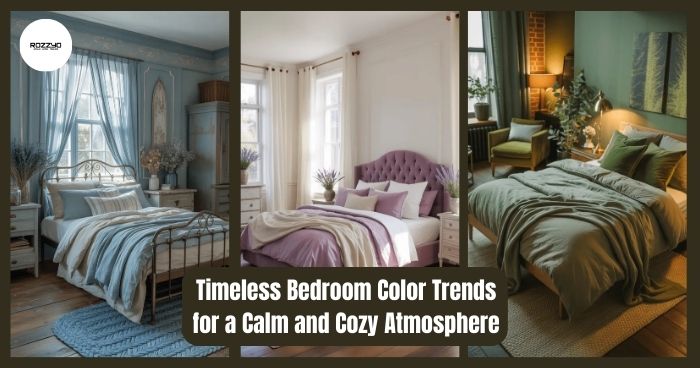

The colors we choose for our bedrooms profoundly influence how we feel at the beginning and end of each day. Beyond mere aesthetics, bedroom colors shape our emotional response to the space where we seek rest and renewal. The right palette can transform a bedroom into a personal sanctuary that soothes the senses and calms the mind.
While design magazines often highlight bold, statement-making trends, there’s a quiet revolution happening in bedroom design. More homeowners are embracing enduring color palettes that prioritize emotional wellbeing over fleeting fashion. These aren’t trends in the traditional sense—they’re thoughtful shifts toward colors that support rest, comfort, and everyday calm.
The most timeless bedrooms rely on tonal balance rather than dramatic statements. They embrace colors that respond beautifully to changing light throughout the day and create a sense of gentle harmony that never feels forced or overly designed. Let’s explore the bedroom color directions that offer both current appeal and lasting presence.
Warm Whites with Depth and Texture
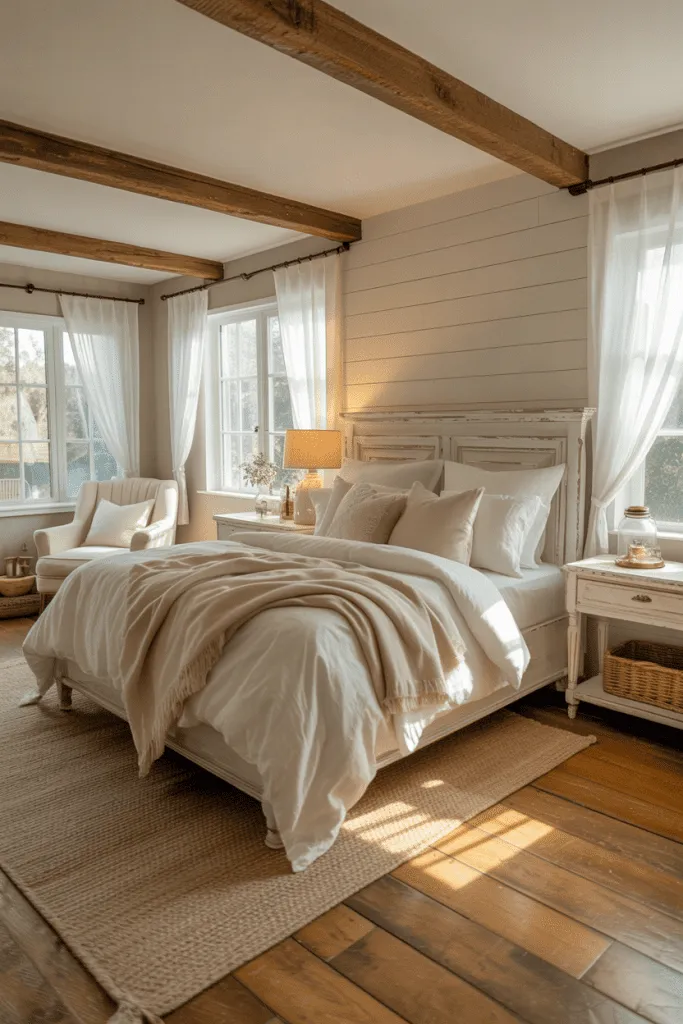
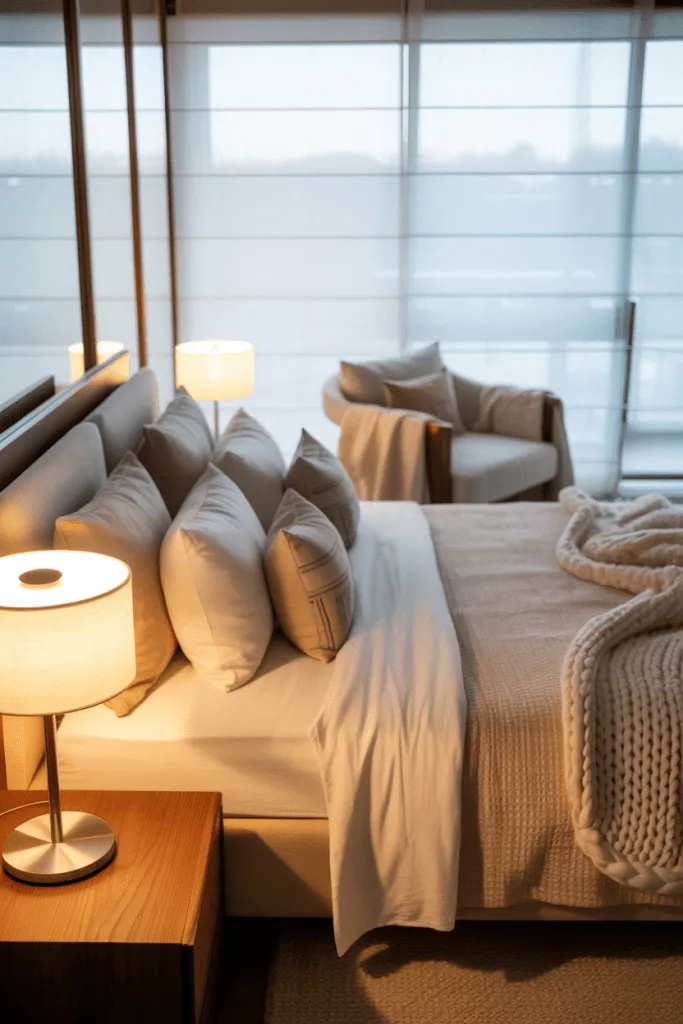
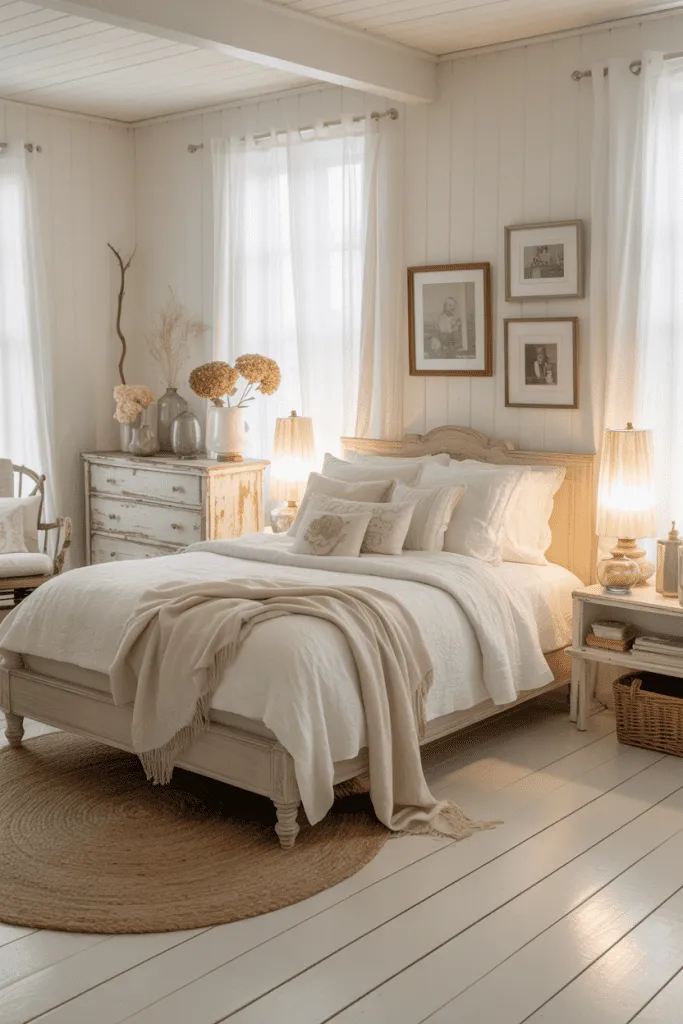
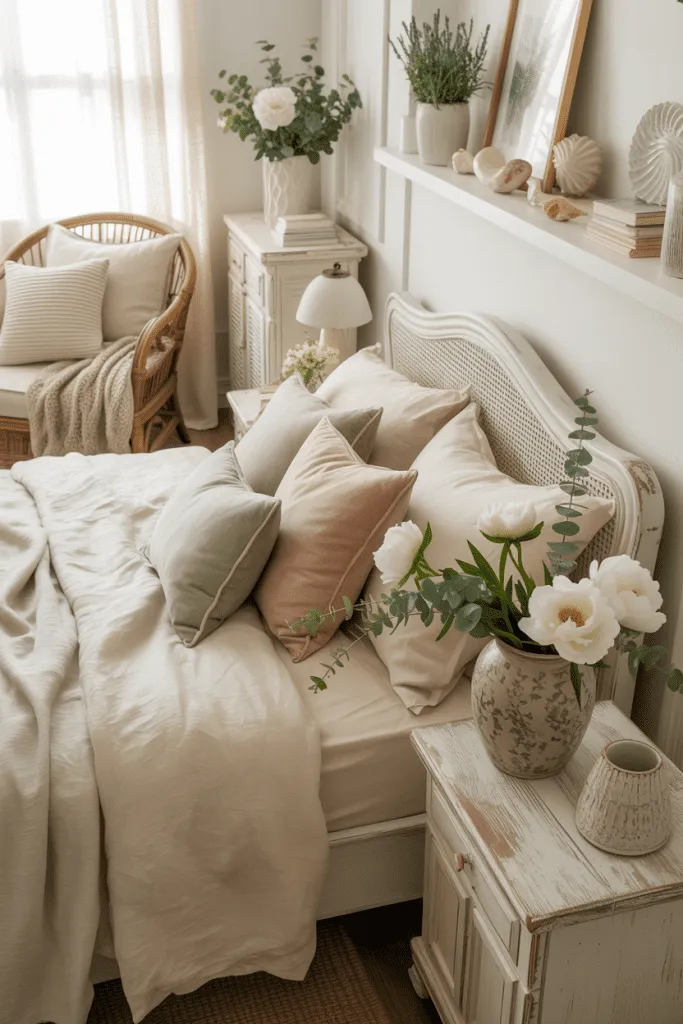
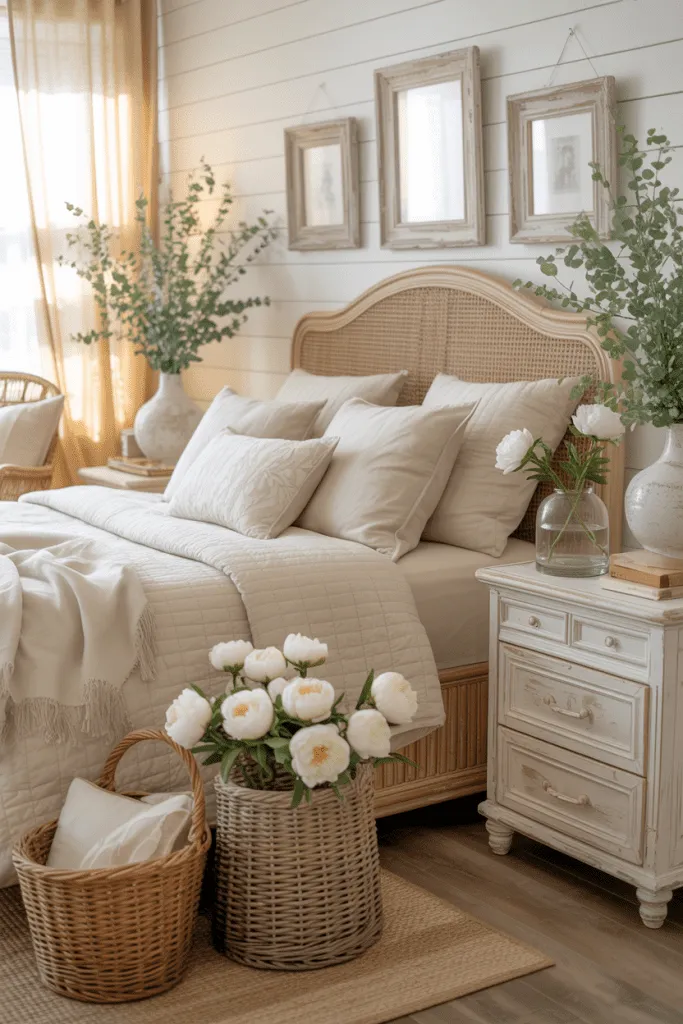
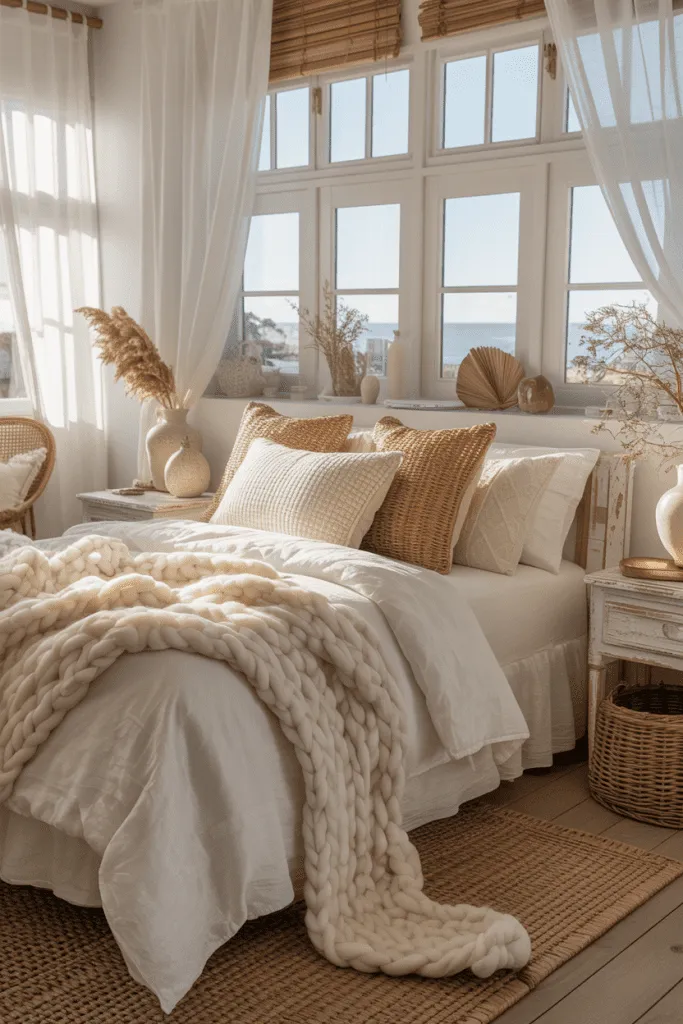
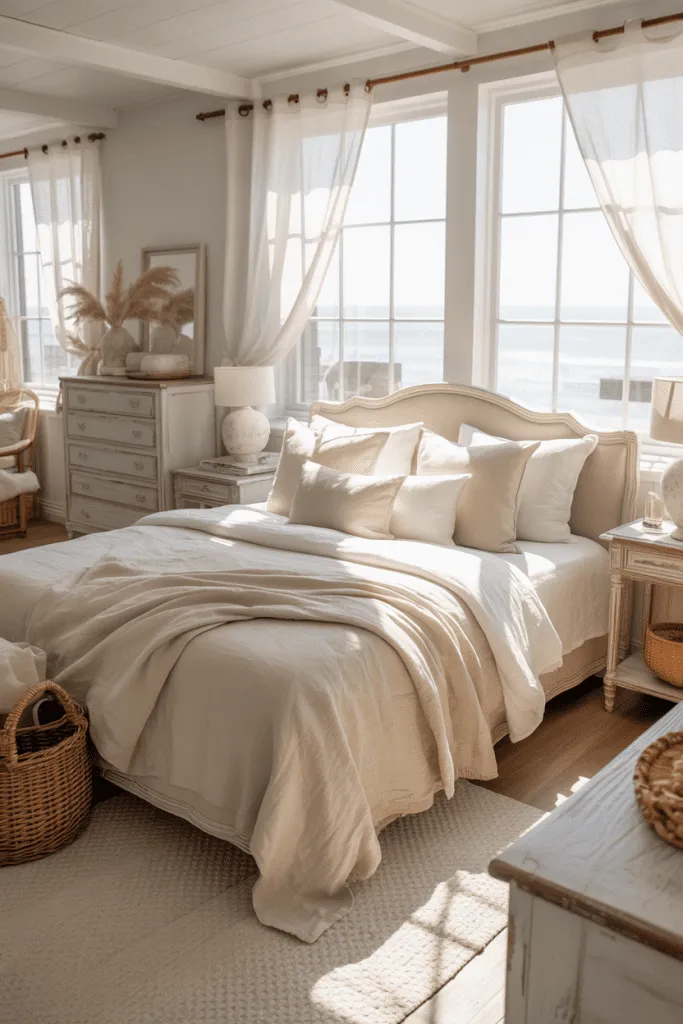
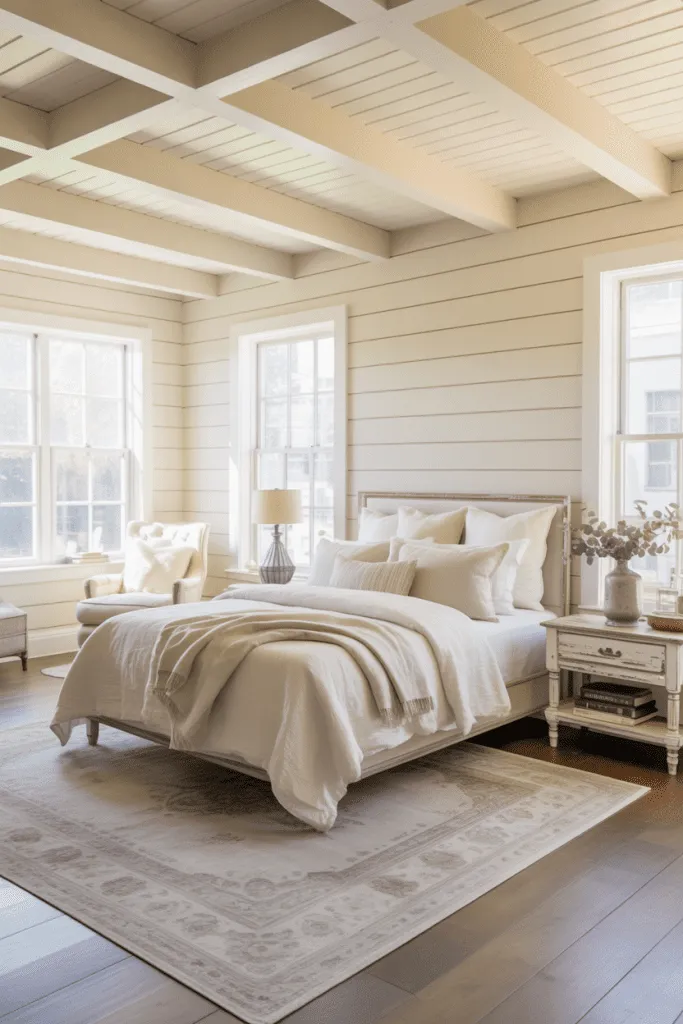
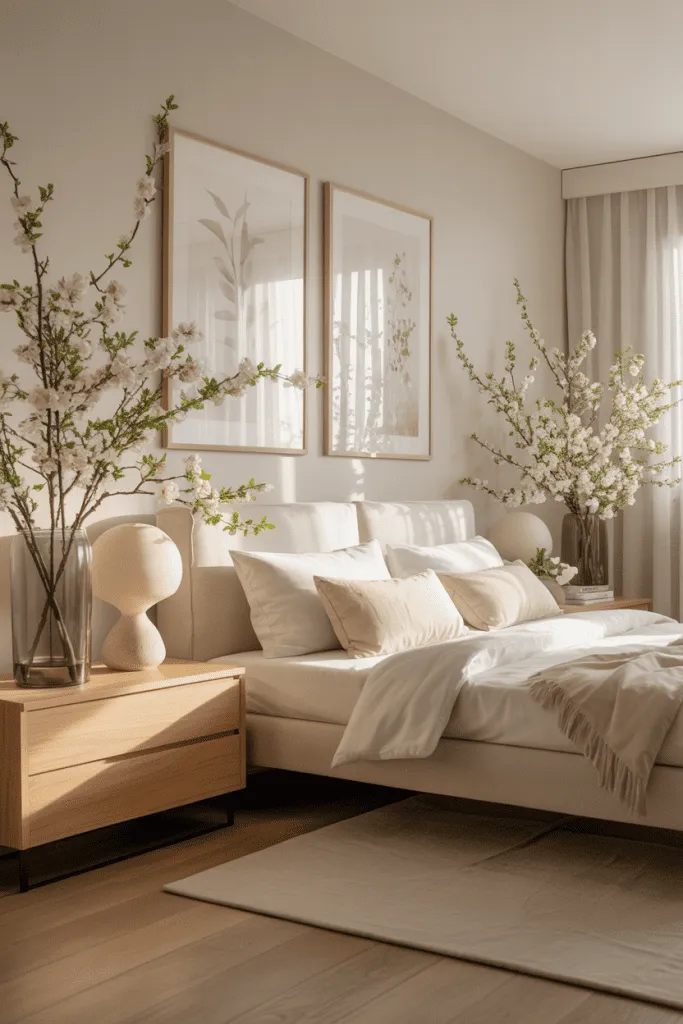
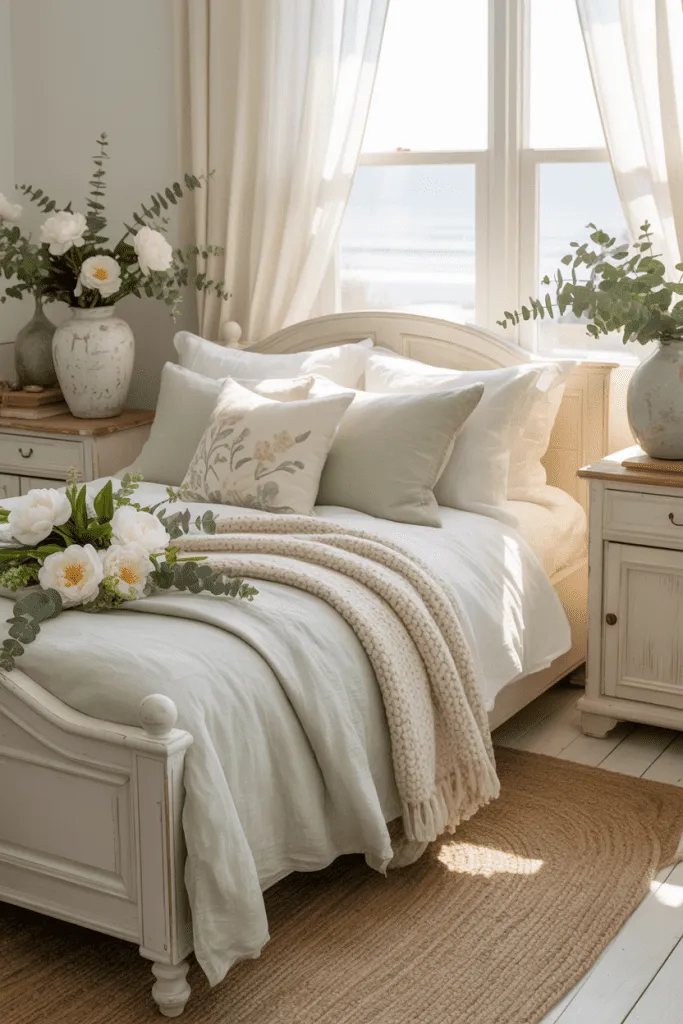
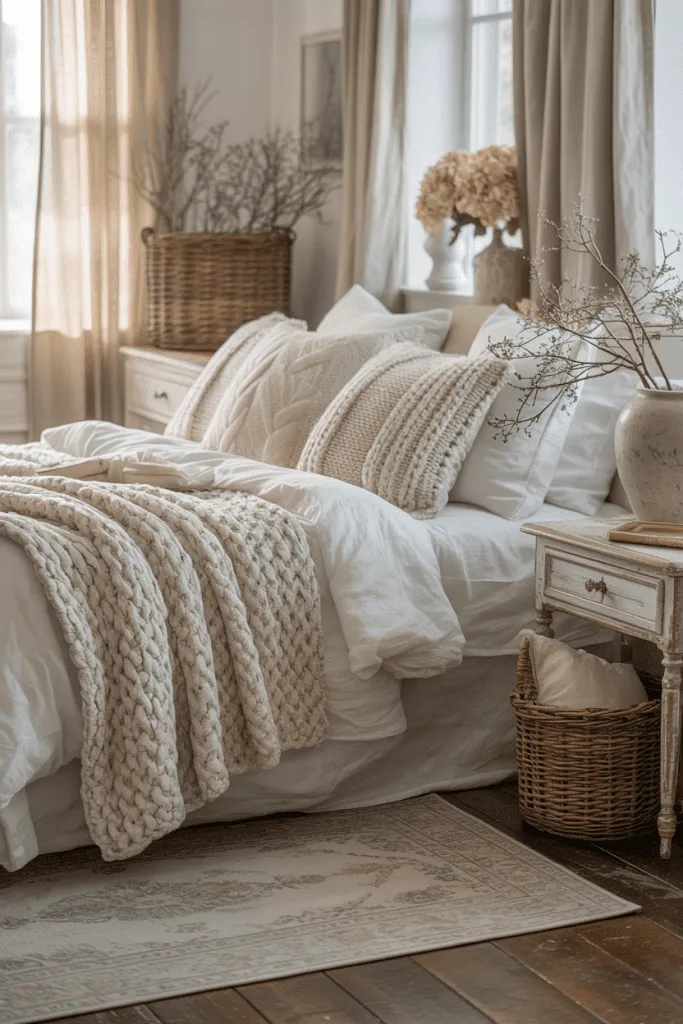
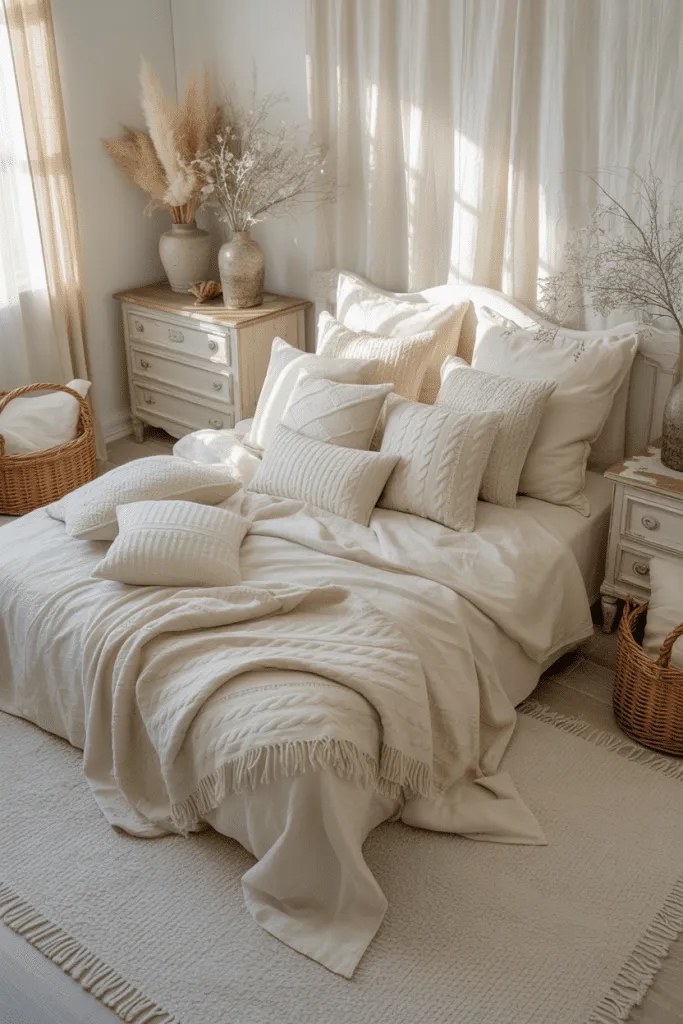
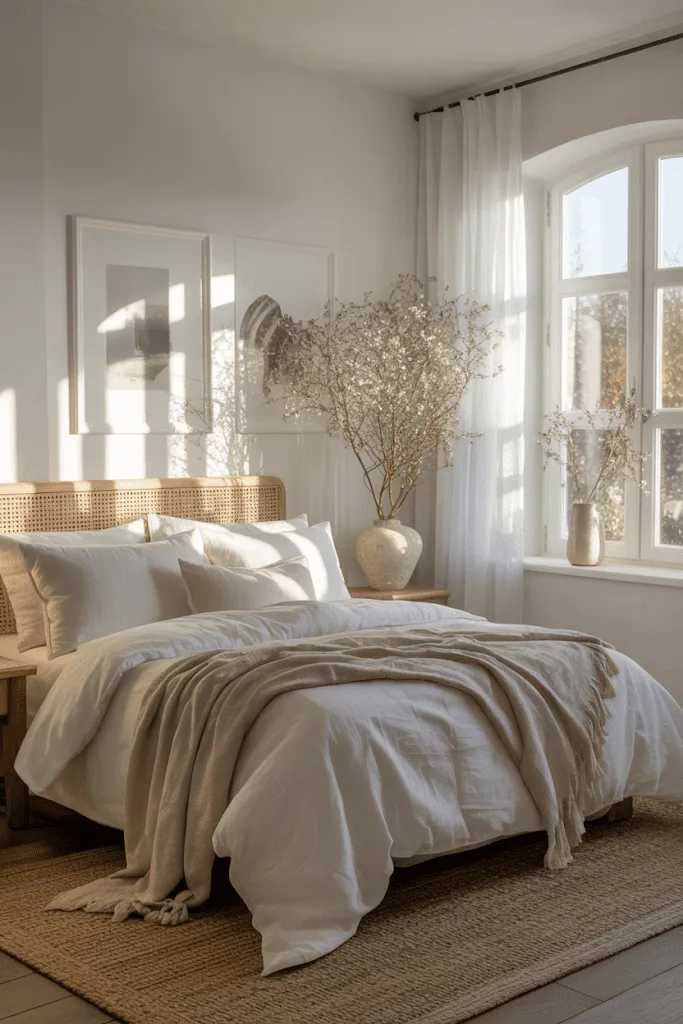
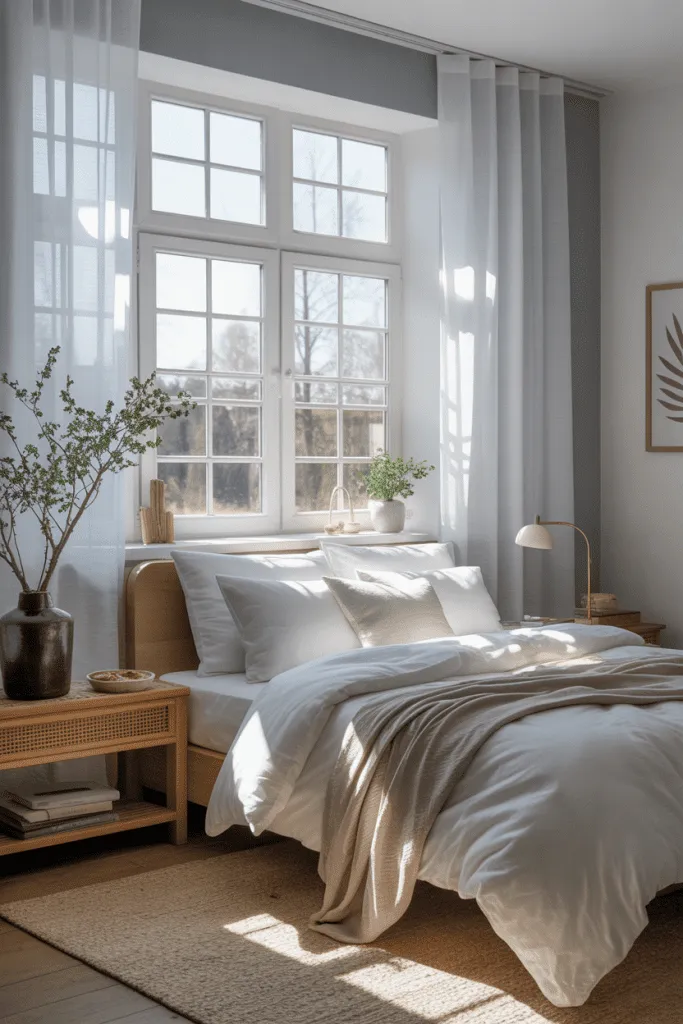
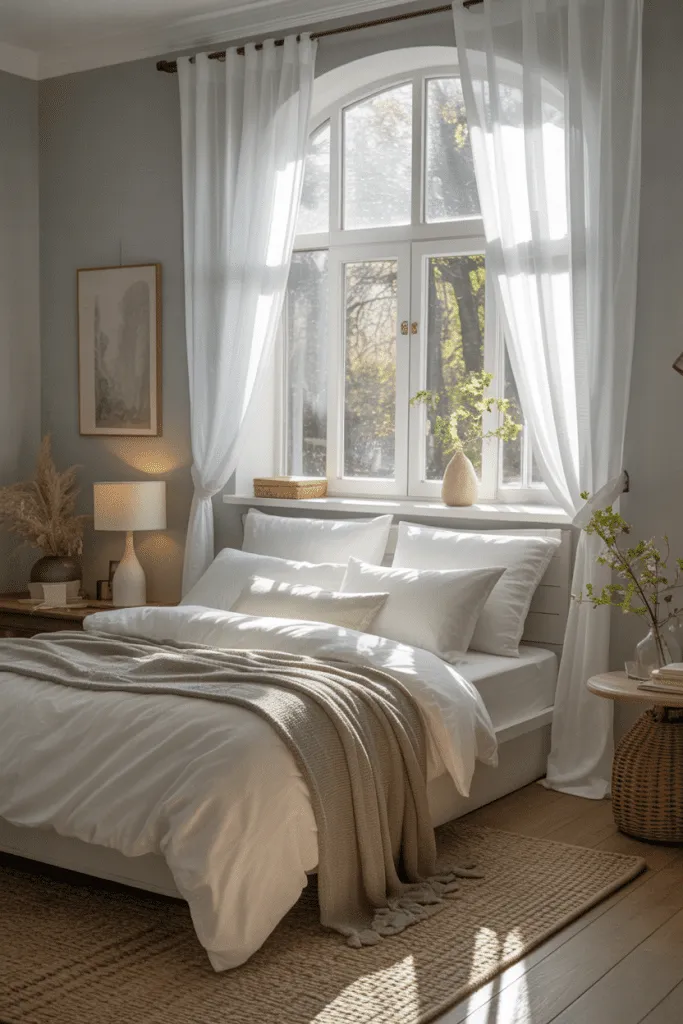
Warm whites continue to be the foundation of tranquil bedrooms, but today’s approach moves beyond stark minimalism. The most inviting white bedrooms incorporate subtle depth and dimensional quality that feels rich rather than clinical. These whites carry the faintest hints of clay, oatmeal, or ivory that respond beautifully to natural light.
In morning light, these warm whites appear luminous and uplifting. As evening approaches, they take on a gentle, honeyed quality that feels inherently restful. Unlike cooler whites that can feel institutional, these warmer variations create a soft envelope of color that feels both fresh and comforting.
The key to making warm whites feel intentional rather than default lies in layering complementary textures. Natural linen bedding with its subtle irregularities adds visual interest while maintaining the serene quality of the space. A textured wool throw at the foot of the bed introduces warmth without heaviness.
Bedrooms in this palette often pair beautifully with unbleached linen duvet covers and shams that bring organic texture and a sense of understated luxury. Wall-mounted sconces with warm-toned brass accents can enhance the golden undertones in these whites while providing gentle, ambient lighting that supports evening relaxation.
Soft Botanical Greens
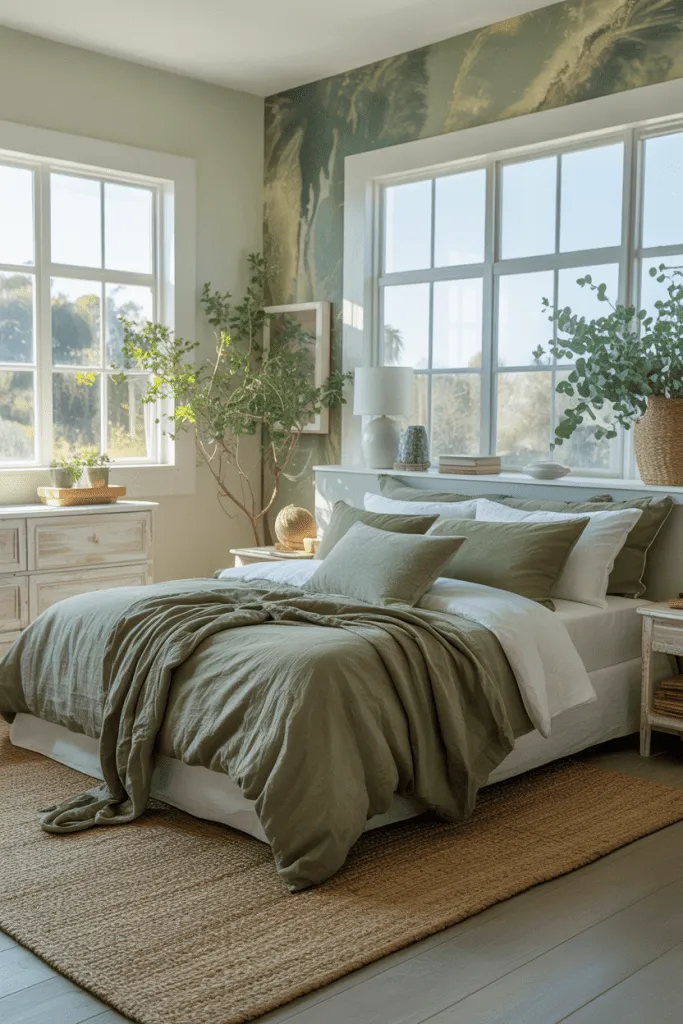
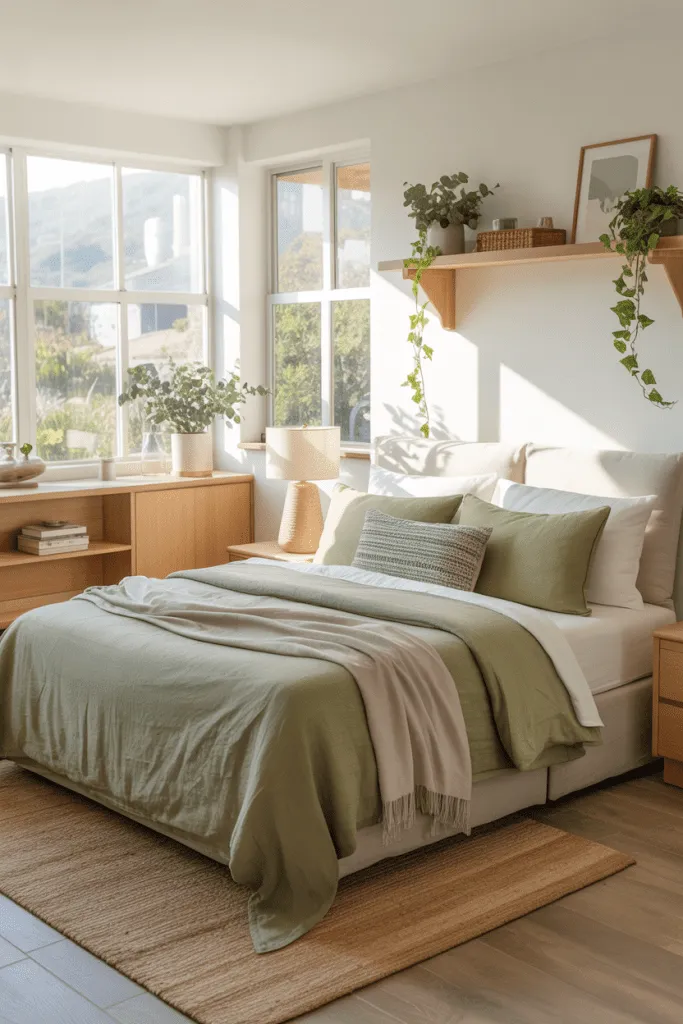
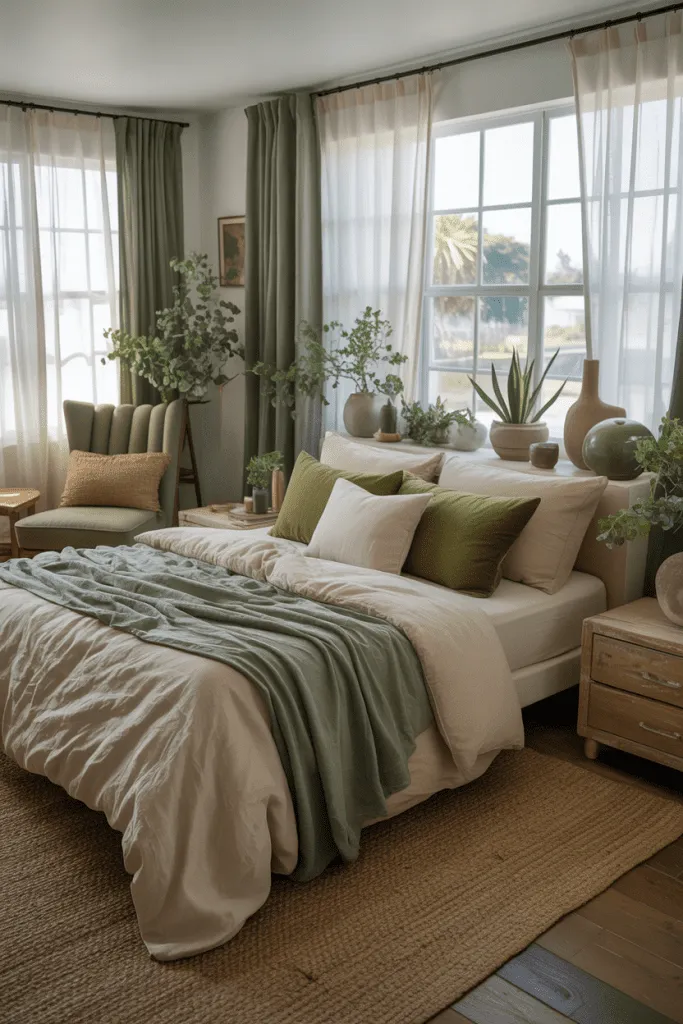
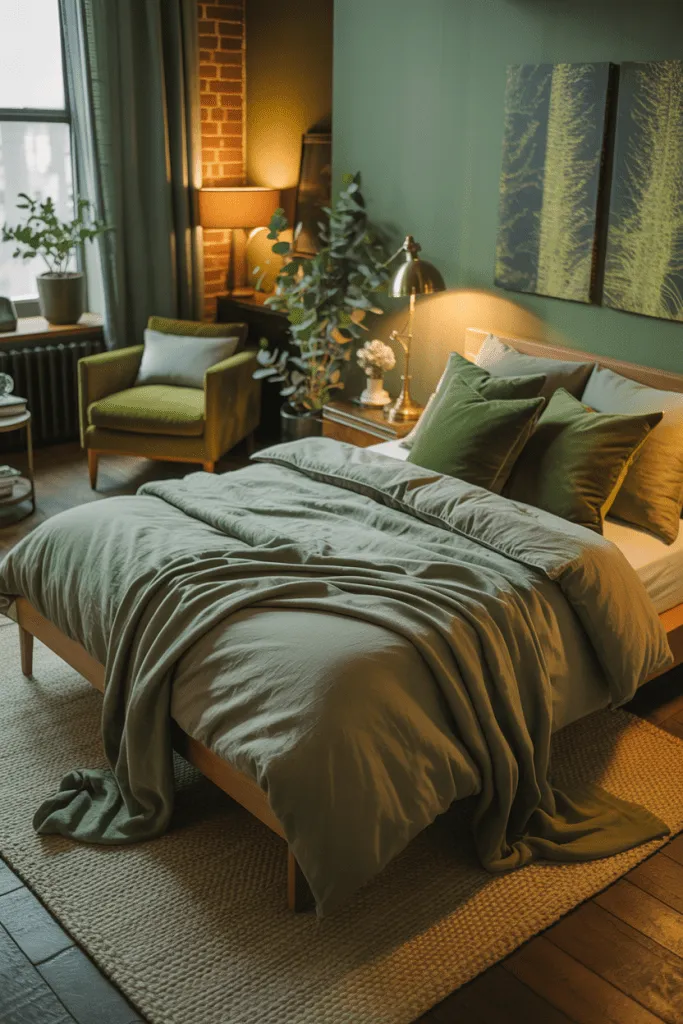
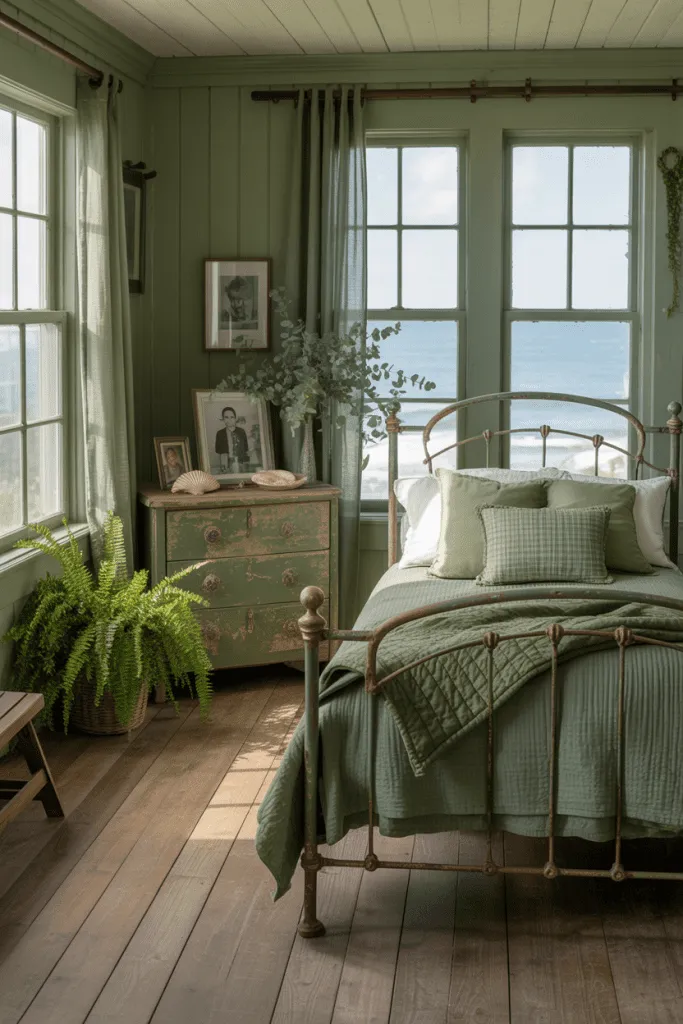
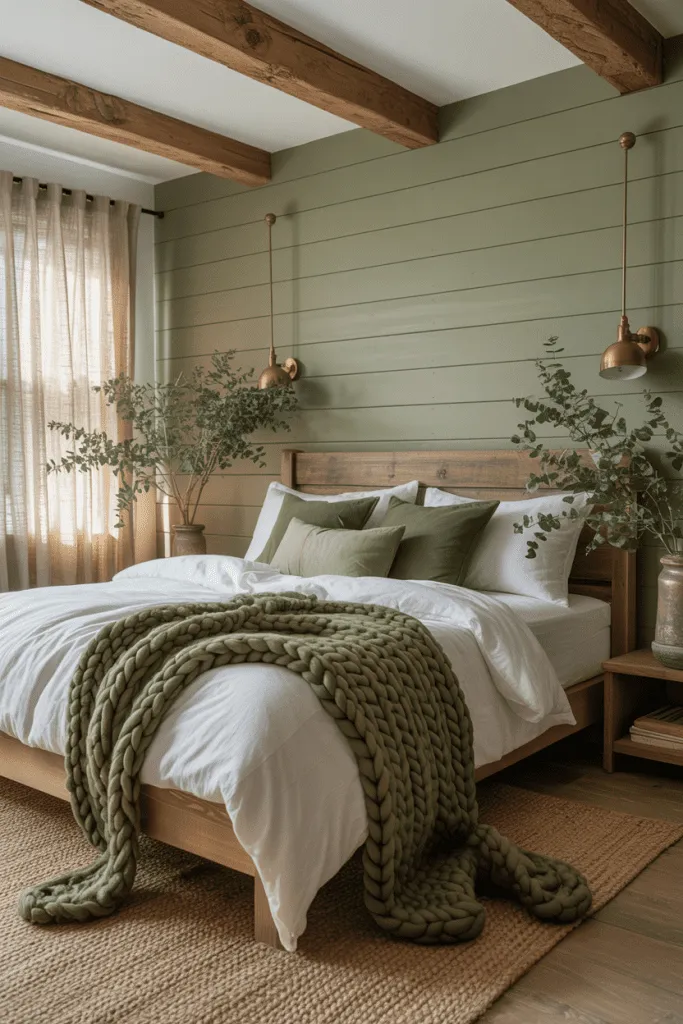
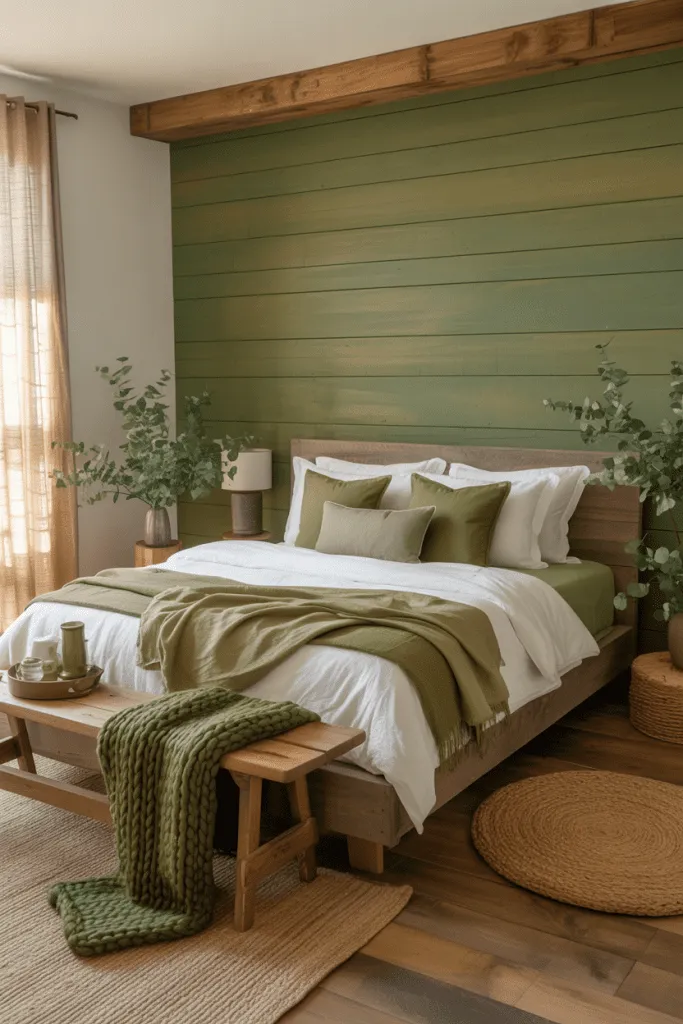
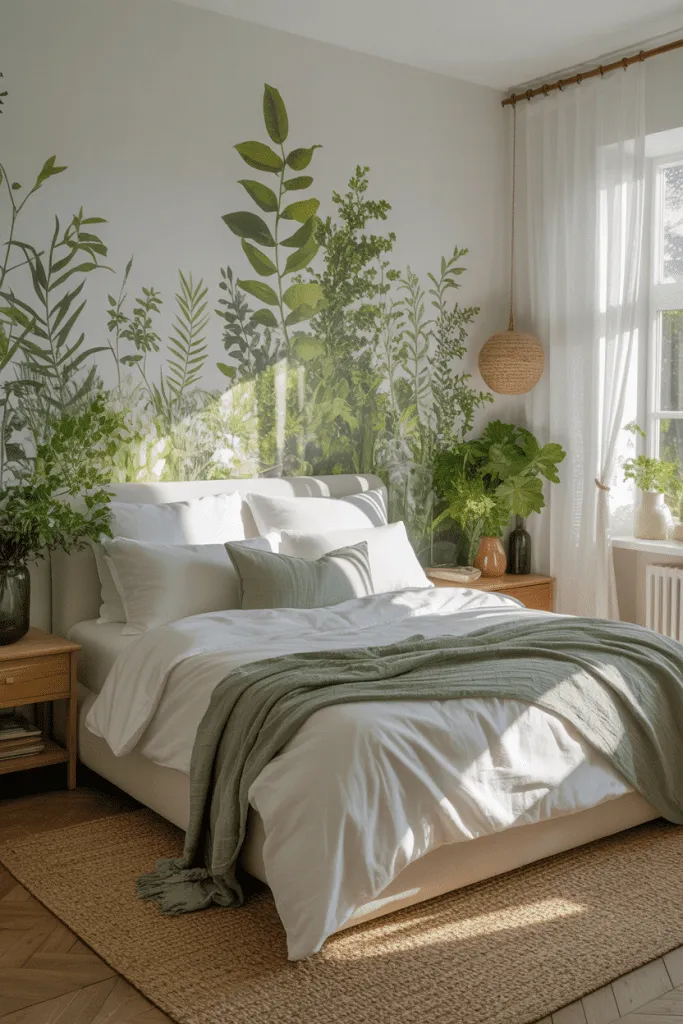
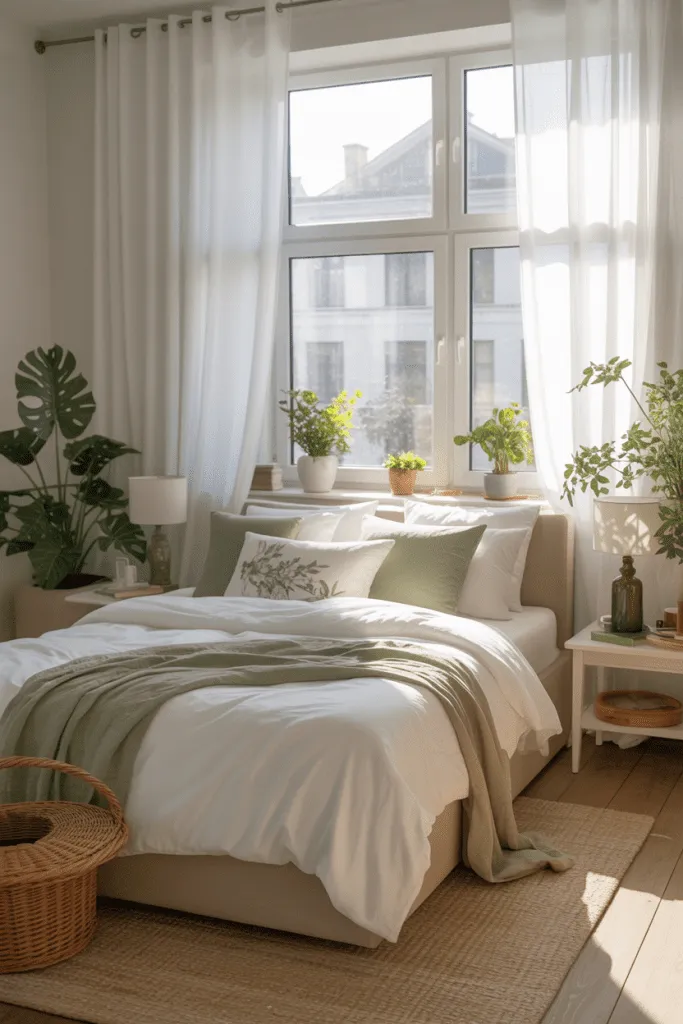
Botanical greens have emerged as enduring bedroom colors that bridge the gap between neutrals and more definitive color choices. The most livable versions aren’t trendy emeralds or teals, but rather the softer, more muted greens found in nature—sage, moss, and muted olive tones that feel inherently grounding.
These gentle greens create a connection to the natural world that feels increasingly important in our digital lives. They bring a sense of restoration to bedrooms without overwhelming the senses. In morning light, they appear fresh and clarifying; by evening, they take on a hushed, enveloping quality.
What makes these greens feel timeless rather than trendy is their undertone—the most enduring versions carry subtle gray or brown undertones rather than vibrant yellow ones. This subtle earthiness helps them pair beautifully with natural materials like wood, stone, and plant life.
Elements like woven rattan pendant lights and simple ceramic table lamps in earthy tones help reinforce this connection to nature. Linen or cotton bedding in warm whites or natural ecru creates beautiful contrast against these green backdrops while maintaining the room’s serene quality. A small collection of potted plants can enhance the biophilic qualities of these spaces, creating a gentle cycle of calm.
Warm Earth Tones
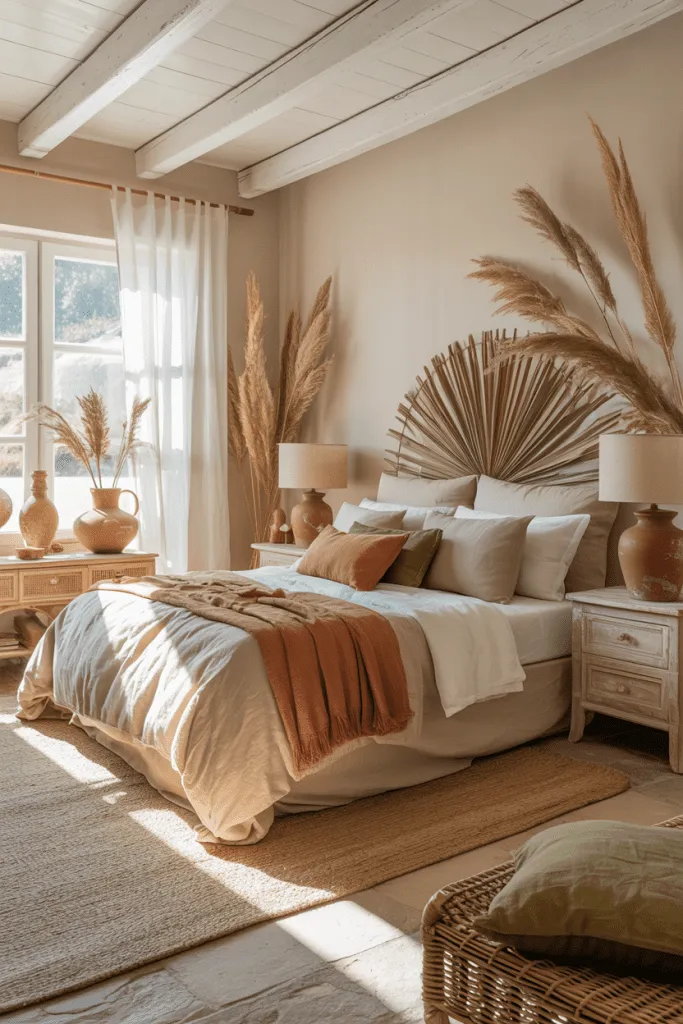
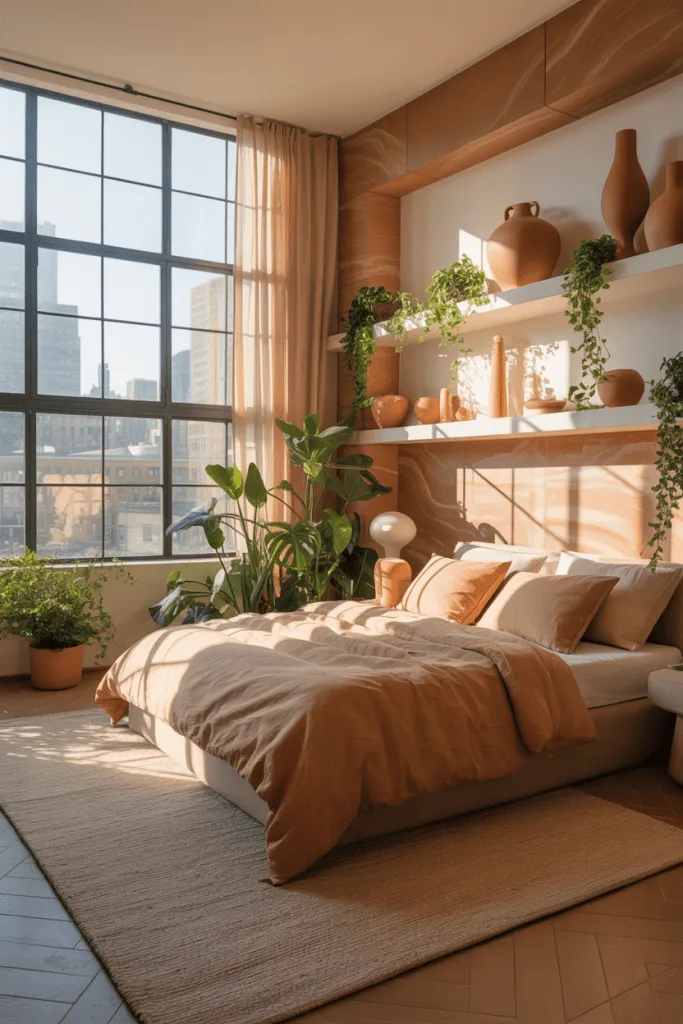
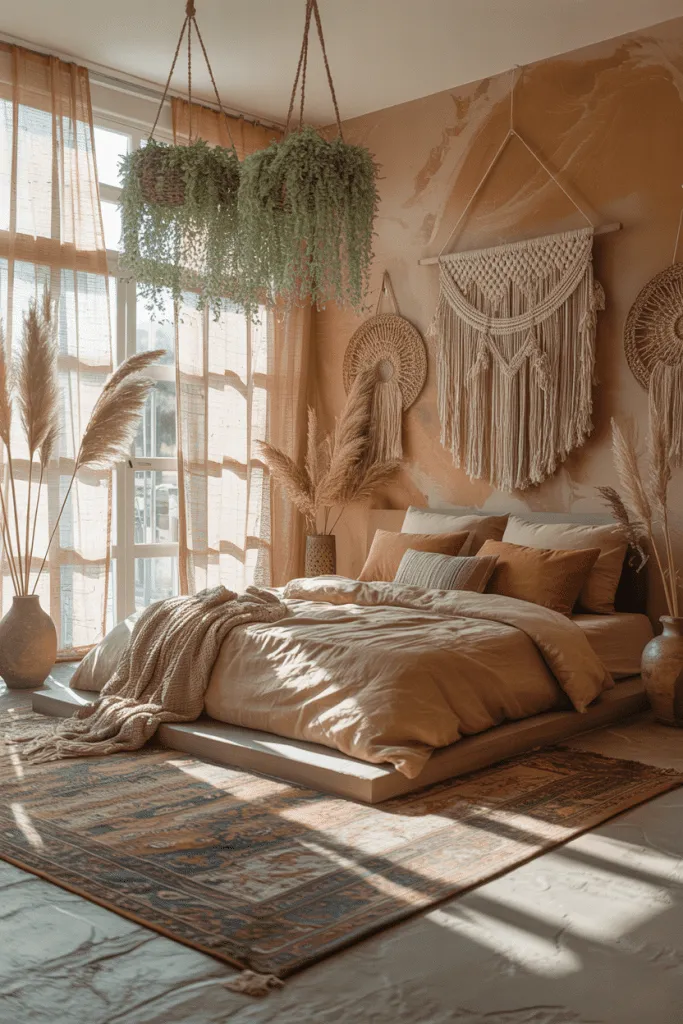
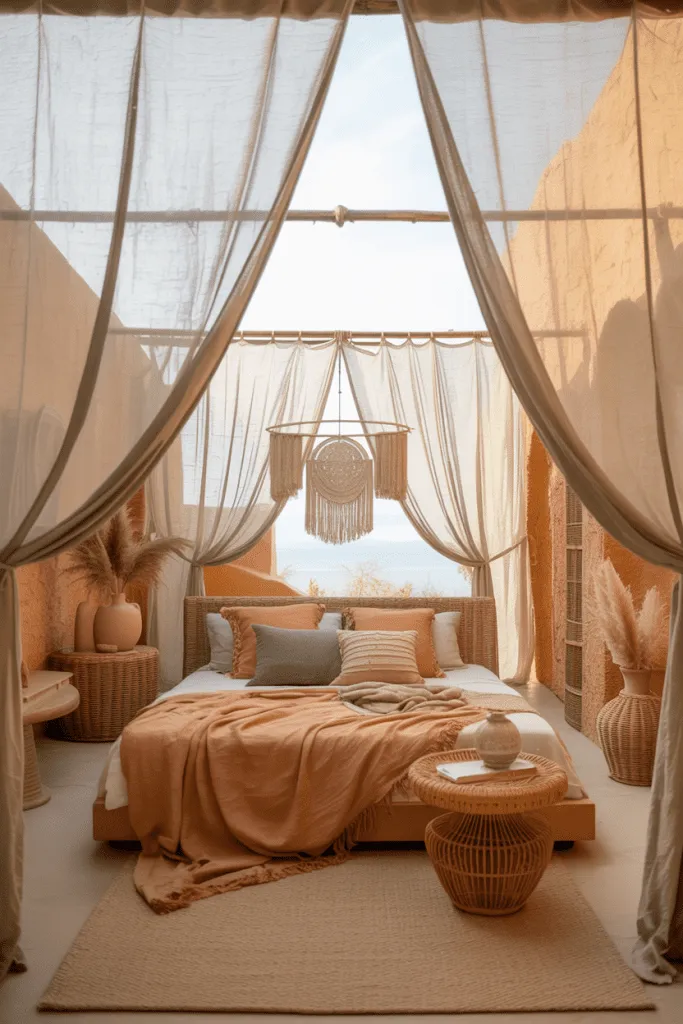
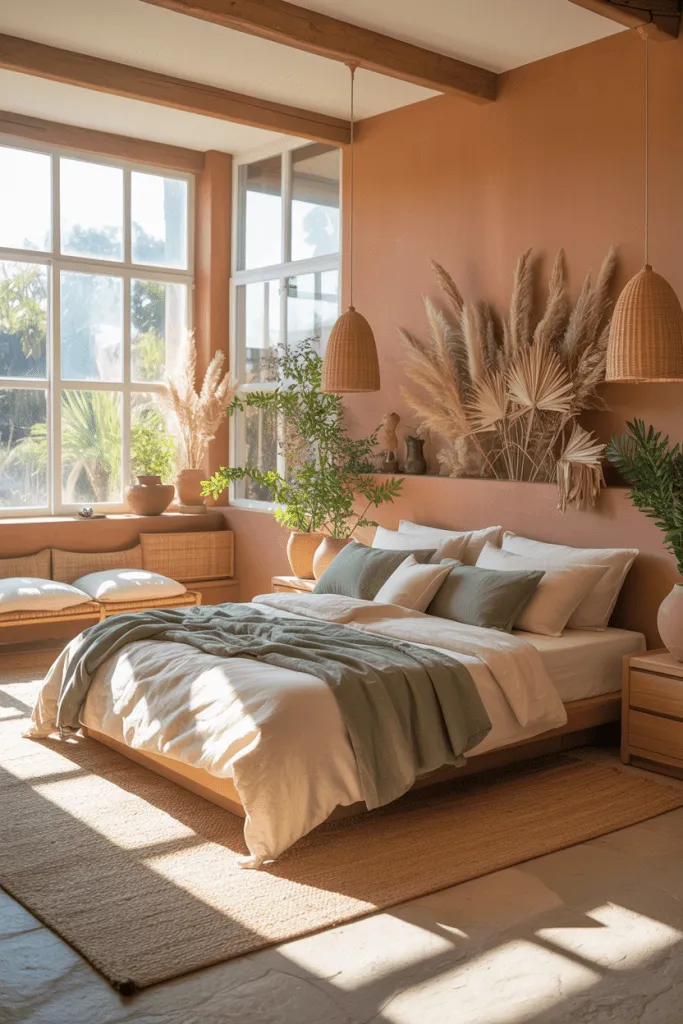
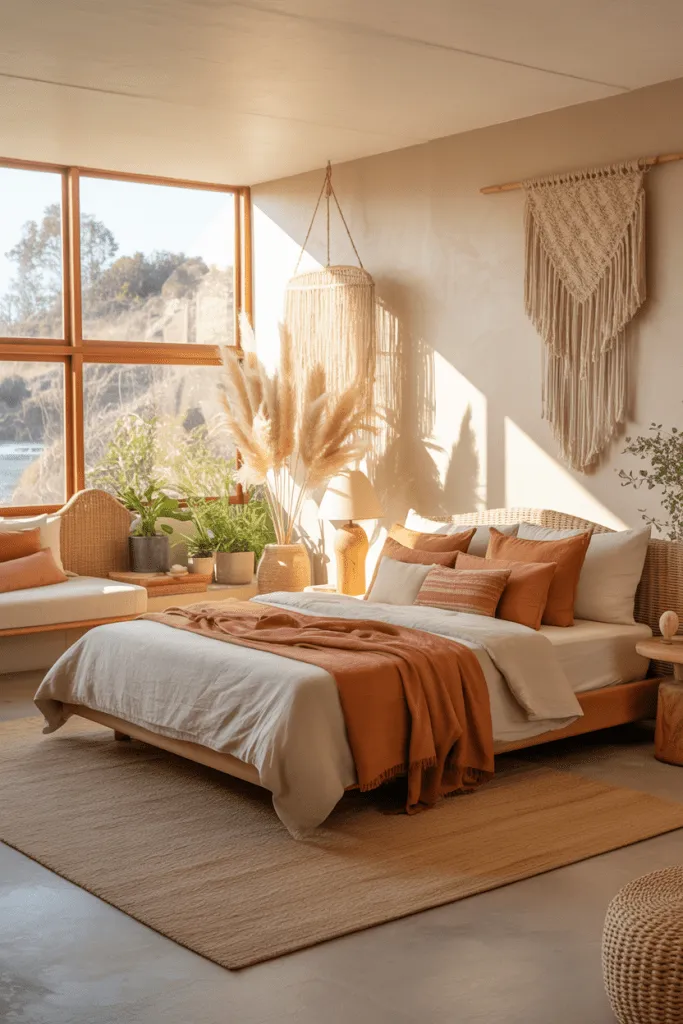
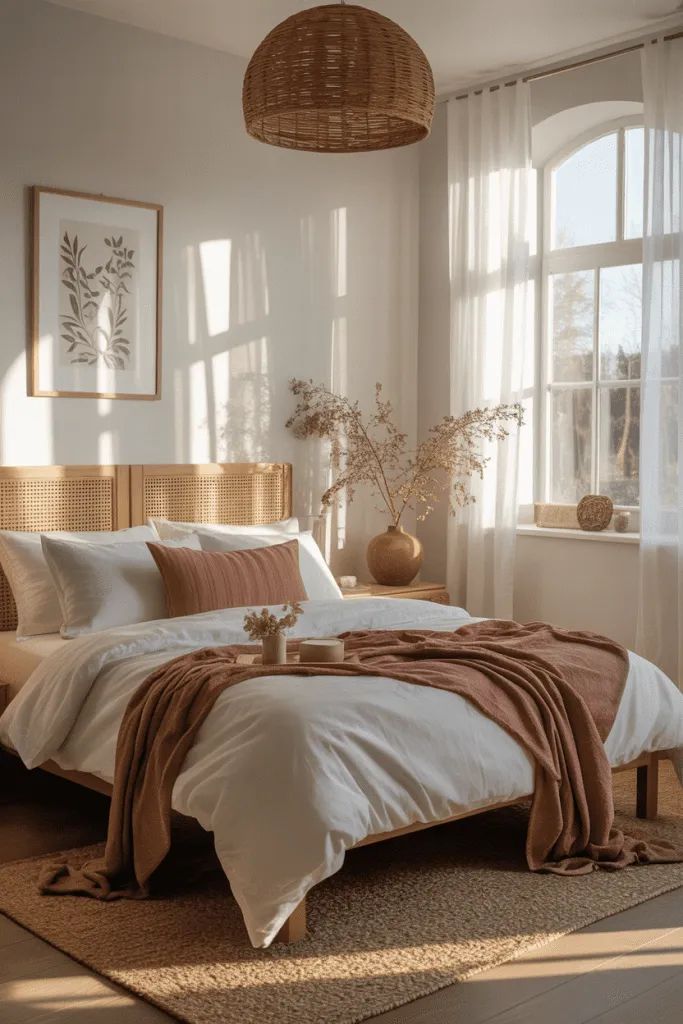
The resurgence of warm earth tones in bedrooms reflects our collective desire for spaces that feel emotionally grounding. Clay, terracotta, and warm sandstone colors create rooms with a gentle embrace that feels both timely and timeless. These colors carry the warmth of human touch and connection to ancient materials.
What distinguishes today’s earth tones from previous iterations is their softness and subtlety. Rather than the saturated terracottas of decades past, these are muted, dusty versions that feel sophisticated and restful. They absorb and reflect light in ways that create a sense of gentle protection.
In natural daylight, these colors reveal beautiful dimension and depth. As evening approaches, they take on a cocooning quality that signals to the body it’s time to wind down. Their inherent warmth makes them particularly well-suited to bedrooms in cooler climates or north-facing rooms that receive less direct sunlight.
These earth-toned bedrooms benefit from layers of textiles in complementary warm neutrals. A textured wool area rug in a lighter shade anchors the space while providing comfort underfoot. Bedding in warm whites, soft camels, or gentle rusts creates beautiful tonal variation. Handmade ceramic table lamps with textured glazes enhance the artisanal quality these colors naturally evoke.
Dusty Blues with Warmth
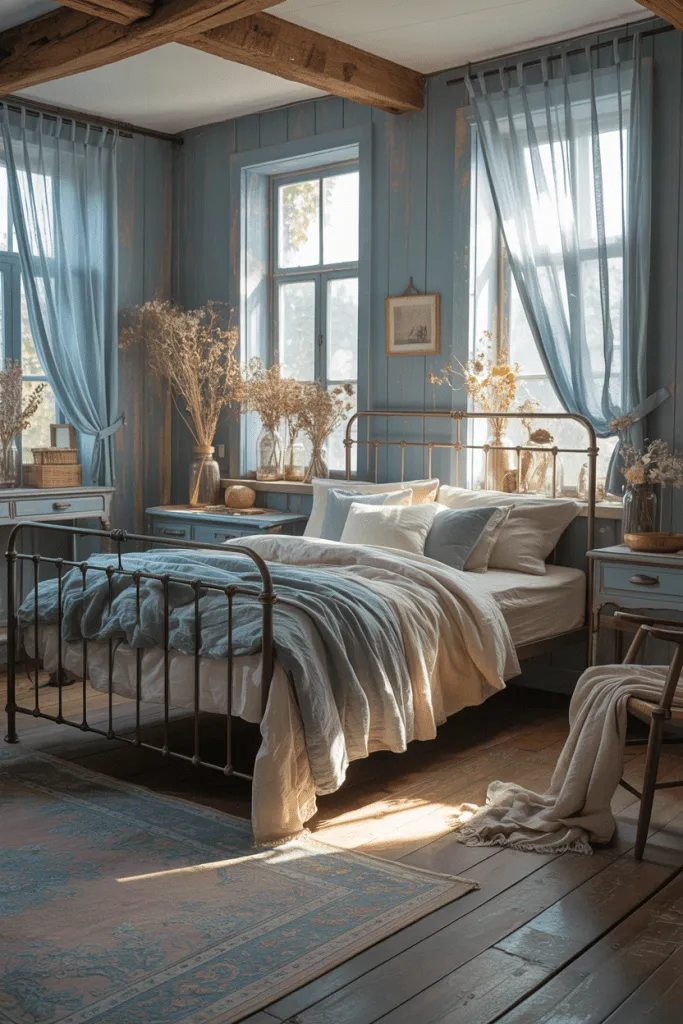
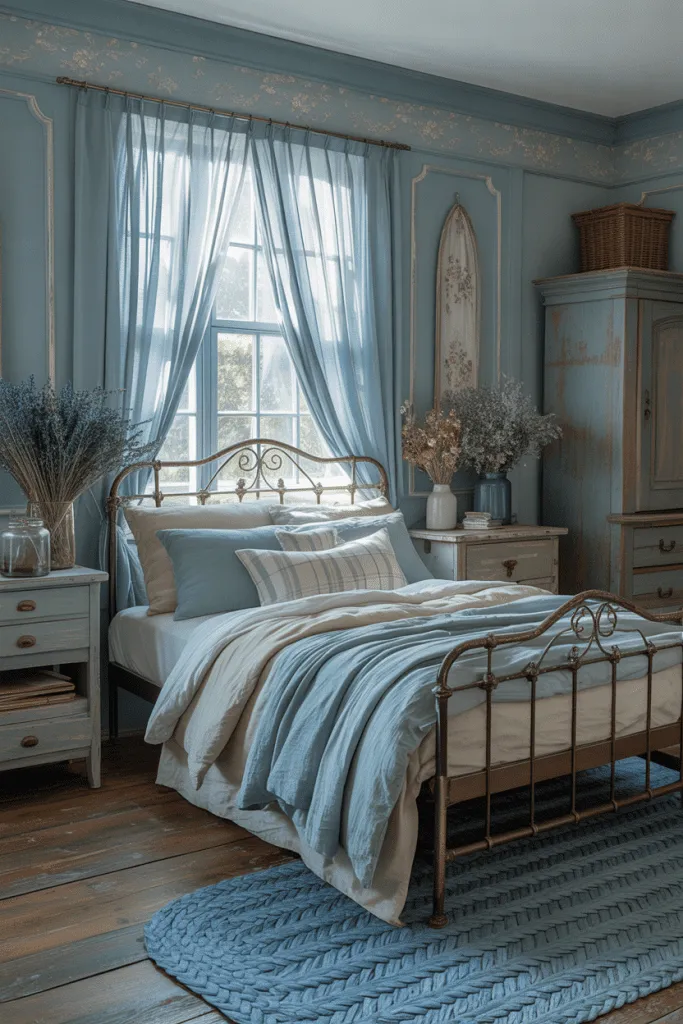
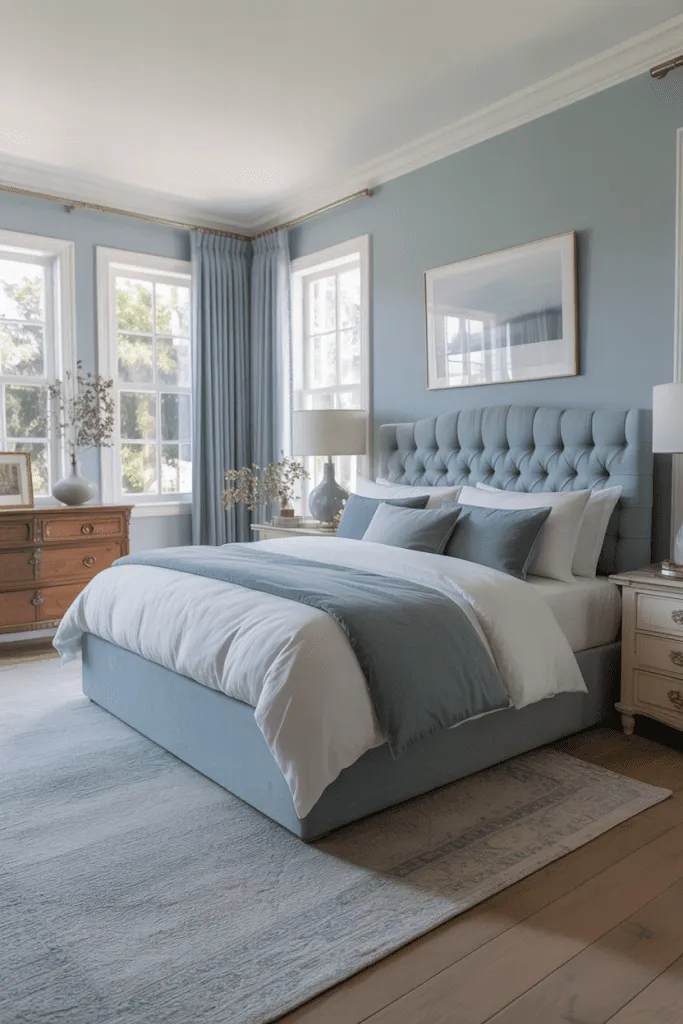
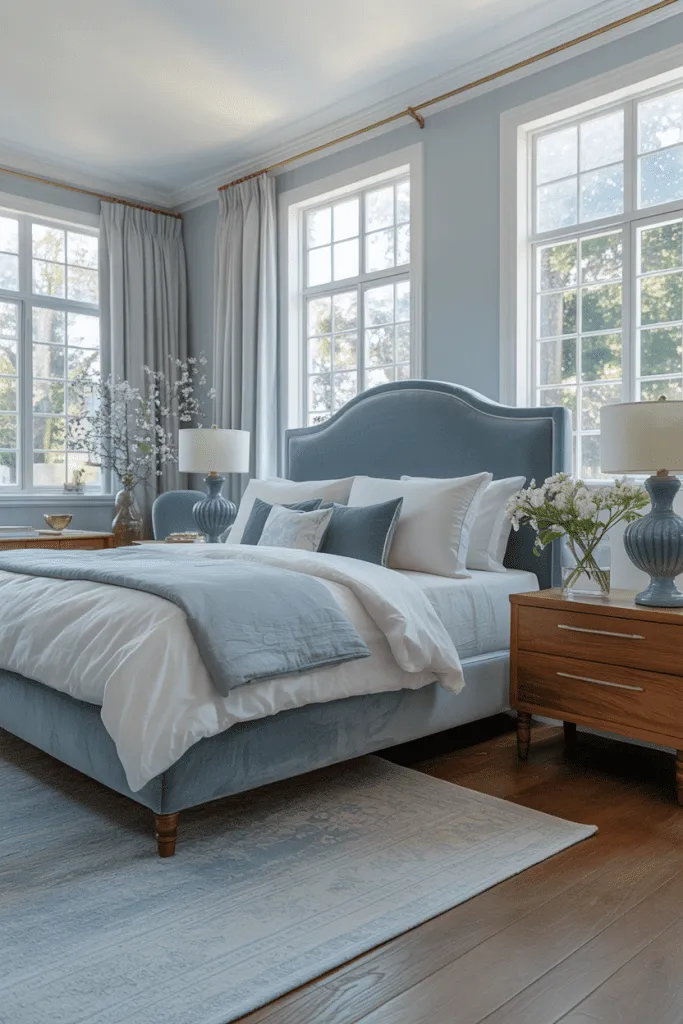
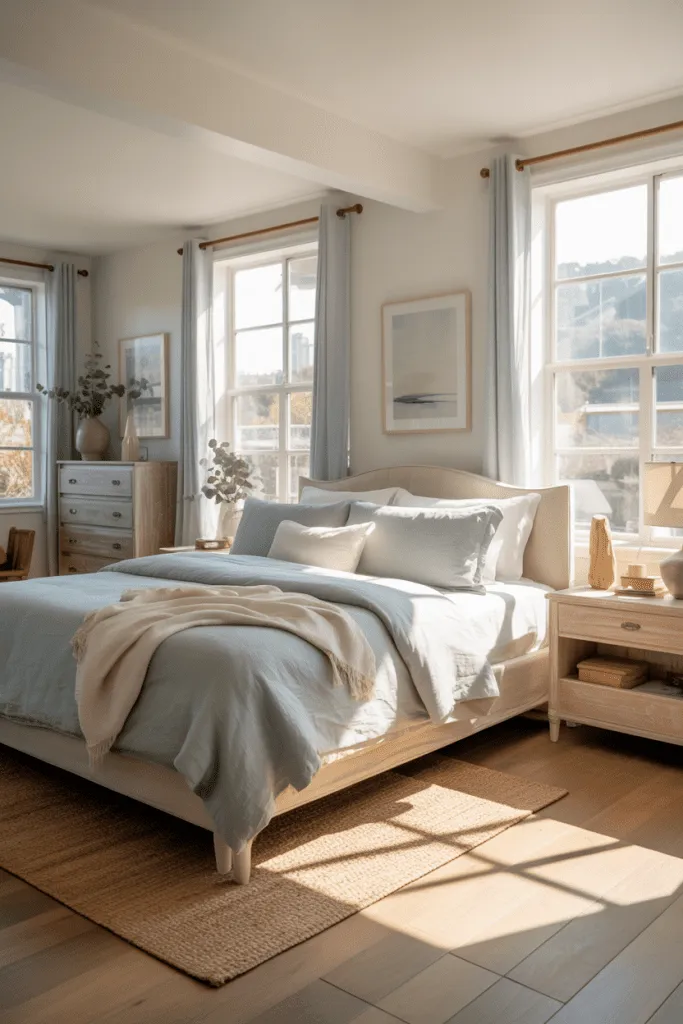
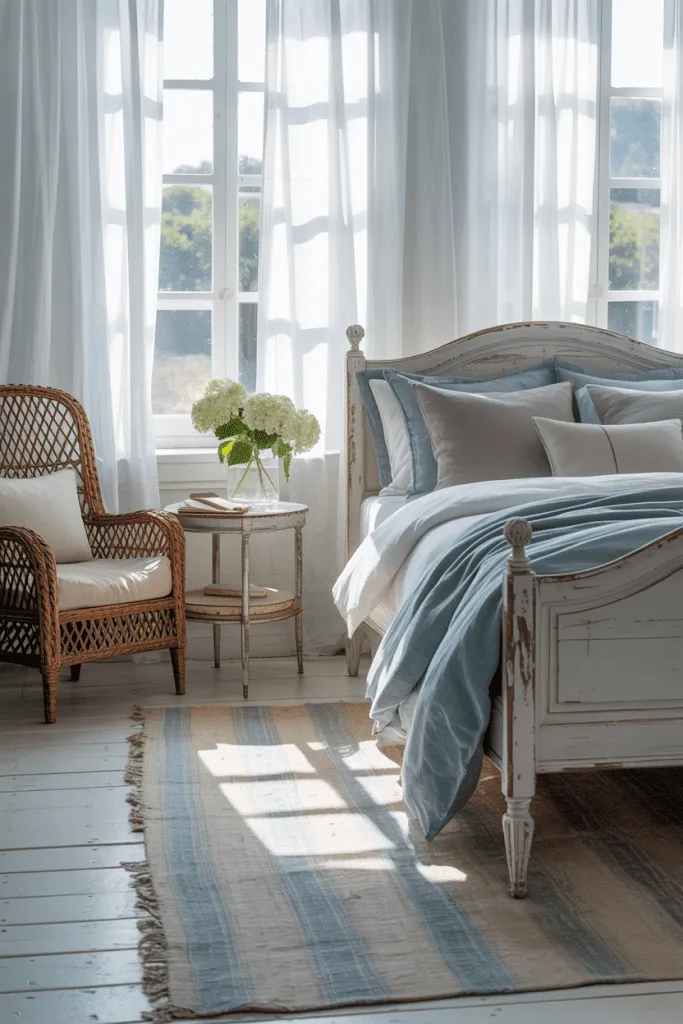
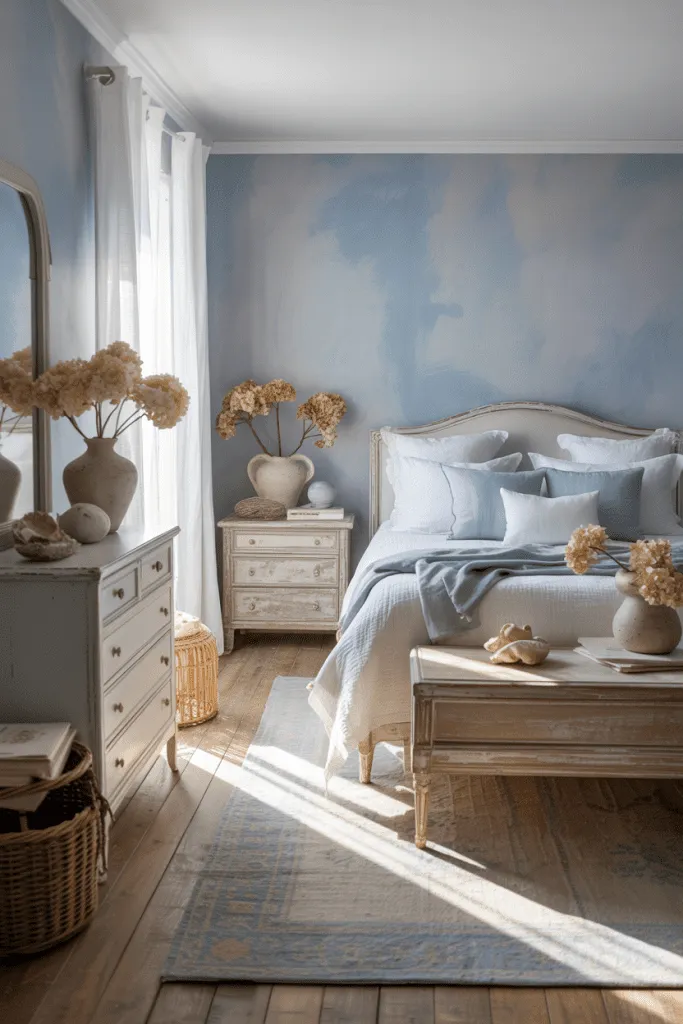
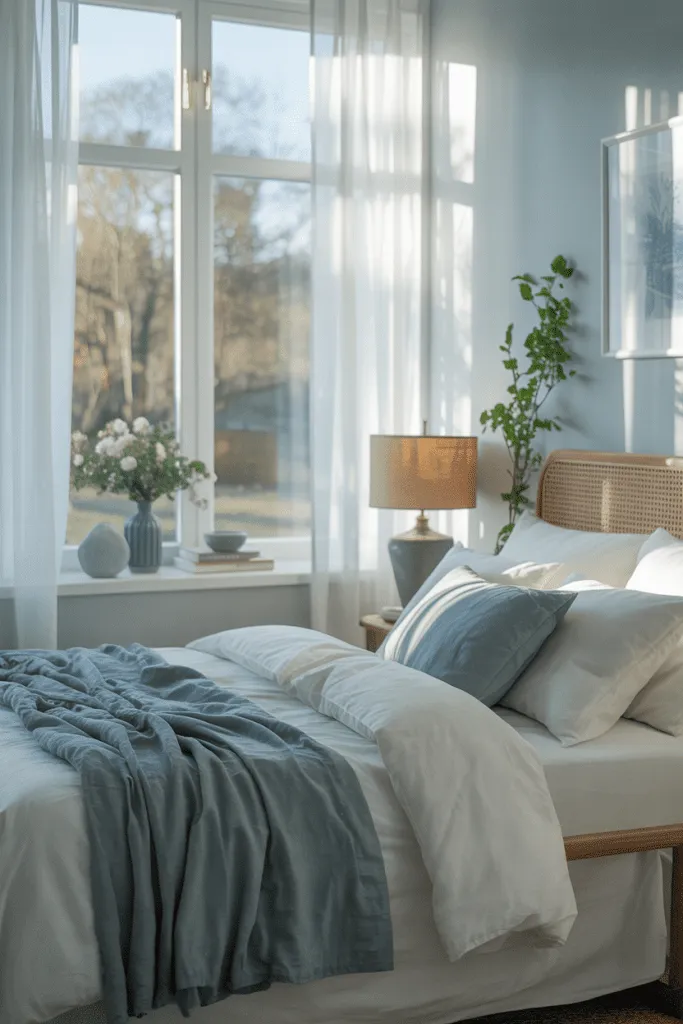
Blue bedrooms have enduring appeal for their association with calm and tranquility, but the most livable versions today carry subtle warmth that prevents them from feeling cold or impersonal. These dusty blues with gray or lavender undertones create spaces that feel both fresh and comforting.
Unlike the cooler, crisper blues that dominated in previous years, these warmer variations feel more emotionally accessible. They create a gentle atmosphere that feels protective without heaviness. In morning light, they appear clear and refreshing; by evening, they take on a softly muted quality that supports transition to rest.
What makes these blues feel timeless is their middle-tone value—neither too pale nor too saturated. This balanced intensity creates rooms with presence that doesn’t overwhelm. They pair beautifully with natural woods, especially those with honey or medium tones that bring complementary warmth.
Bedrooms in this palette often benefit from layered bedding in tonal variations of the wall color, creating subtle depth. Brass or bronze lighting fixtures add warmth and gentle reflection. Window treatments in natural linen allow filtered light to interact beautifully with these colors throughout the day, revealing their subtle complexity and depth.
Gentle Lavenders and Mauves
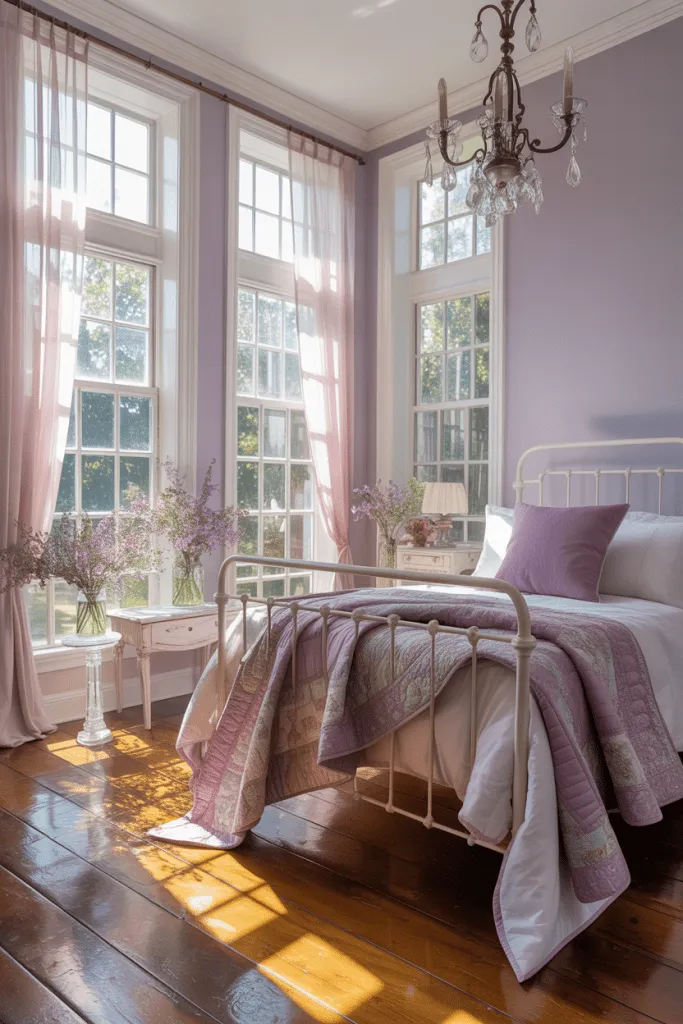
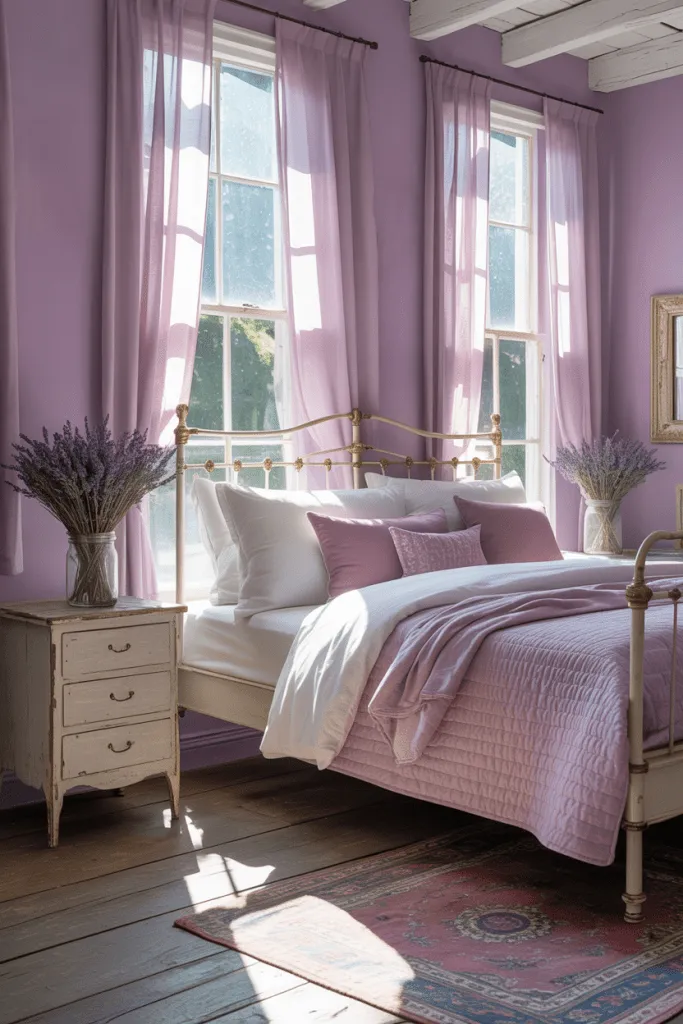
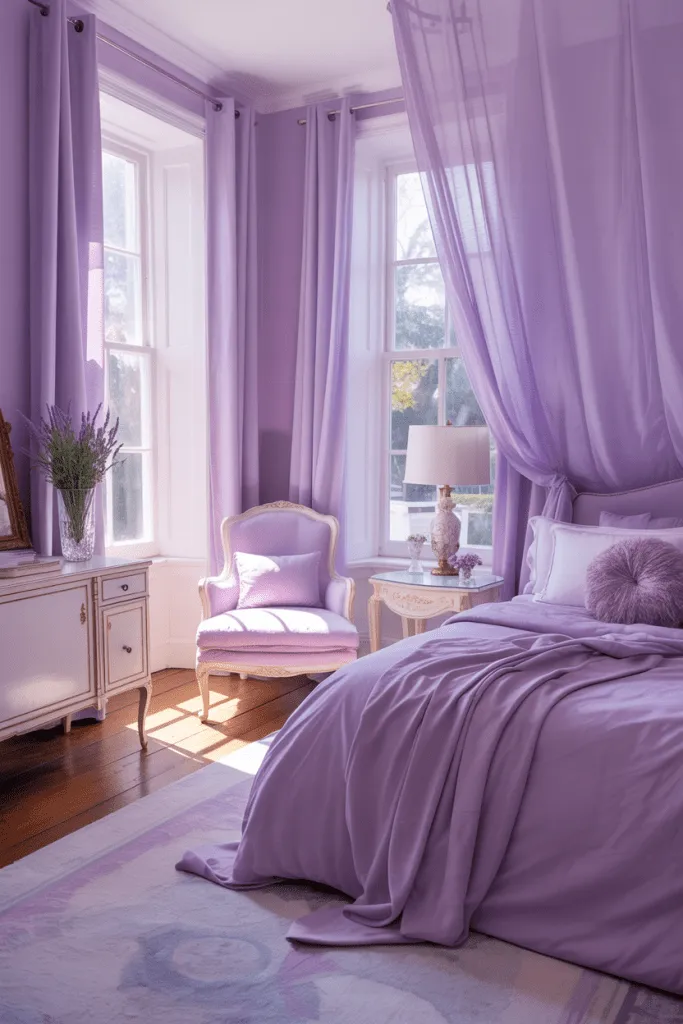
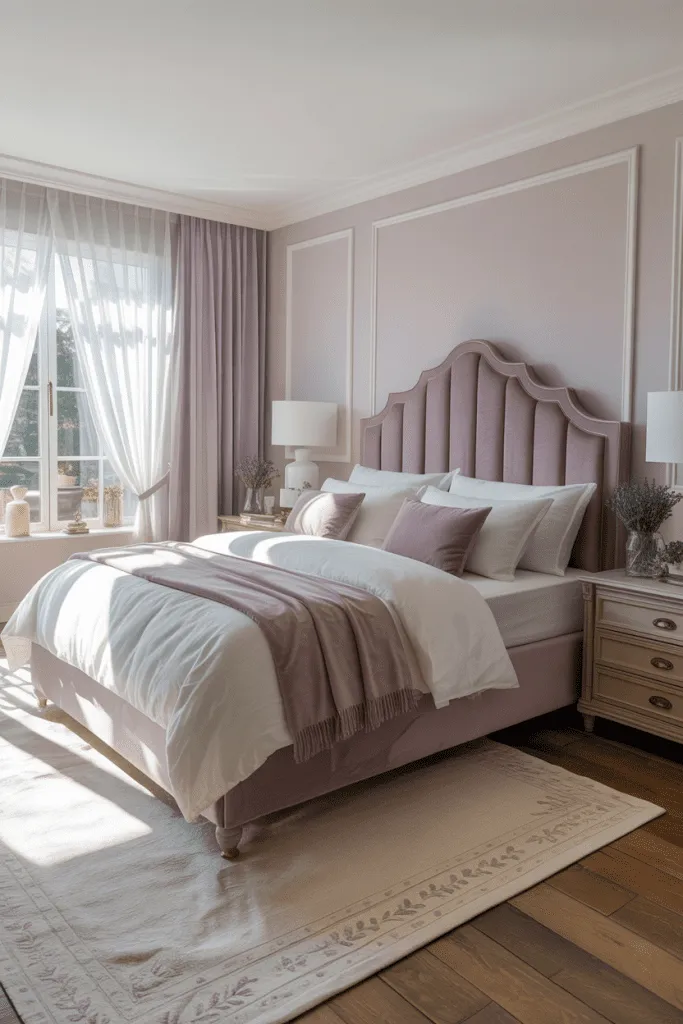
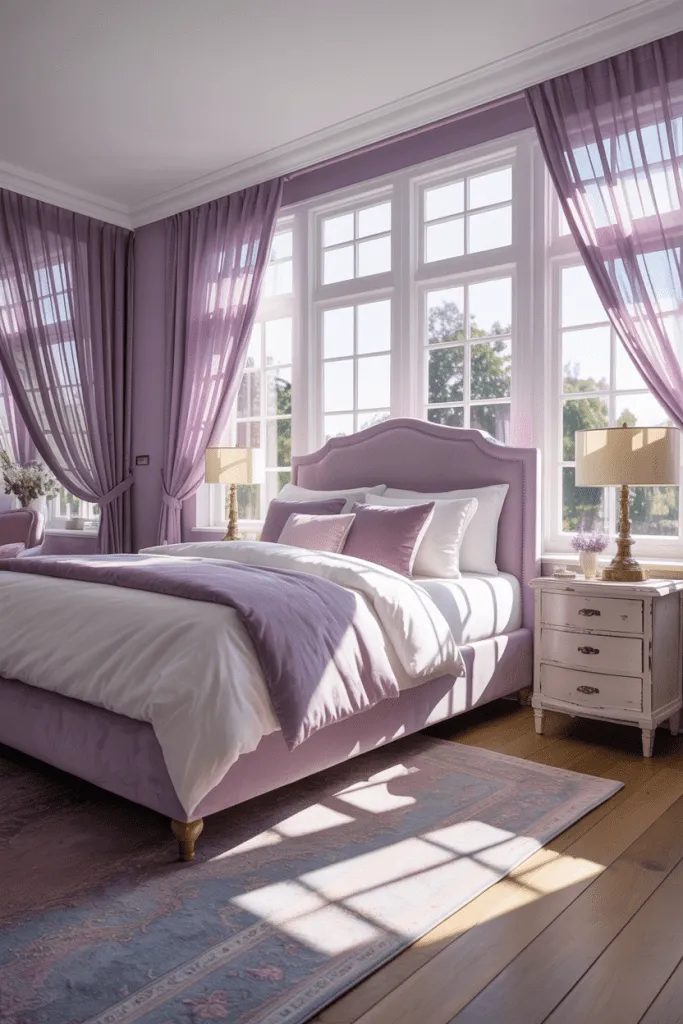
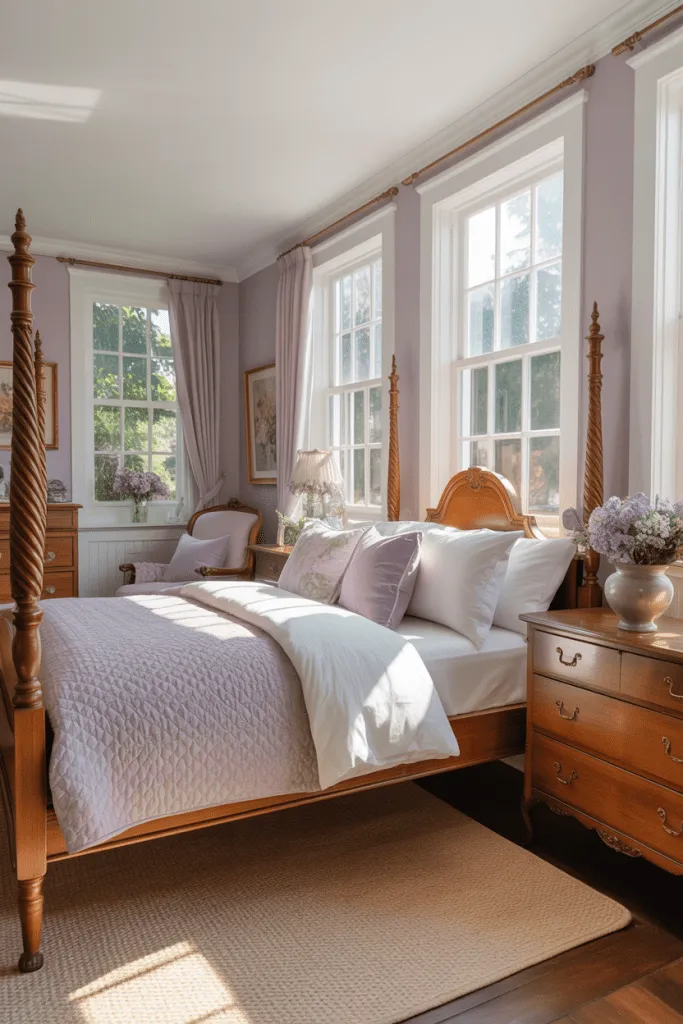
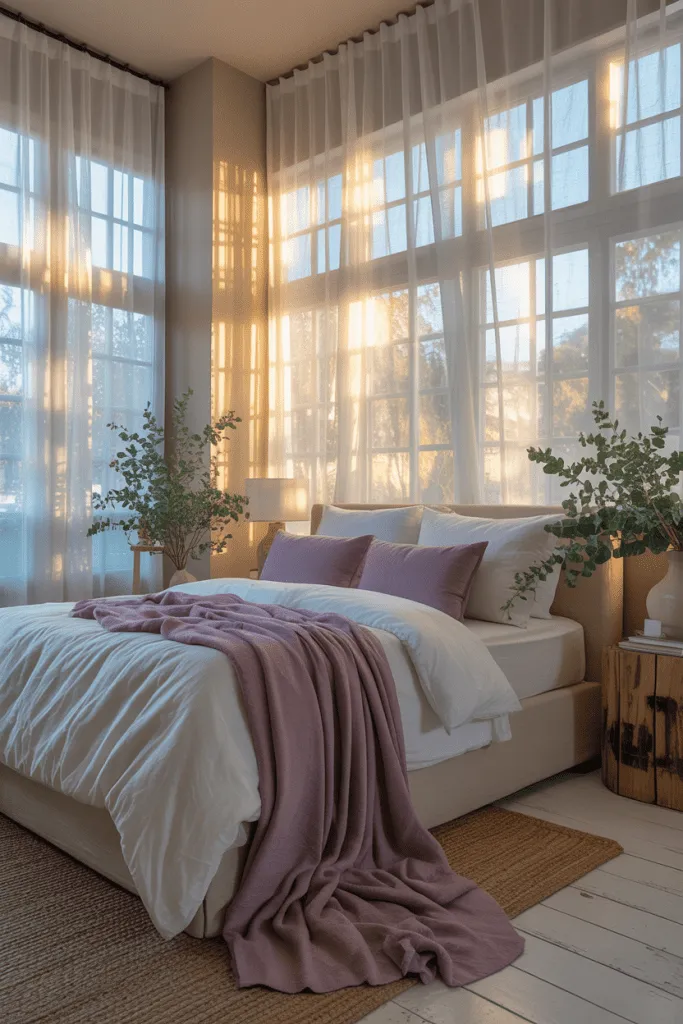
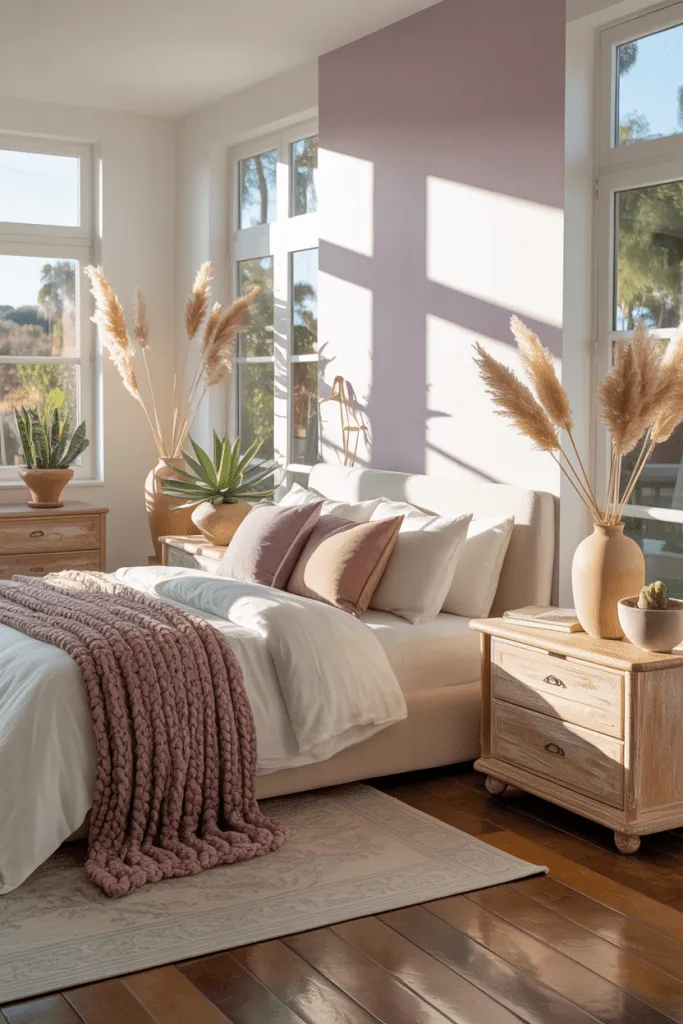
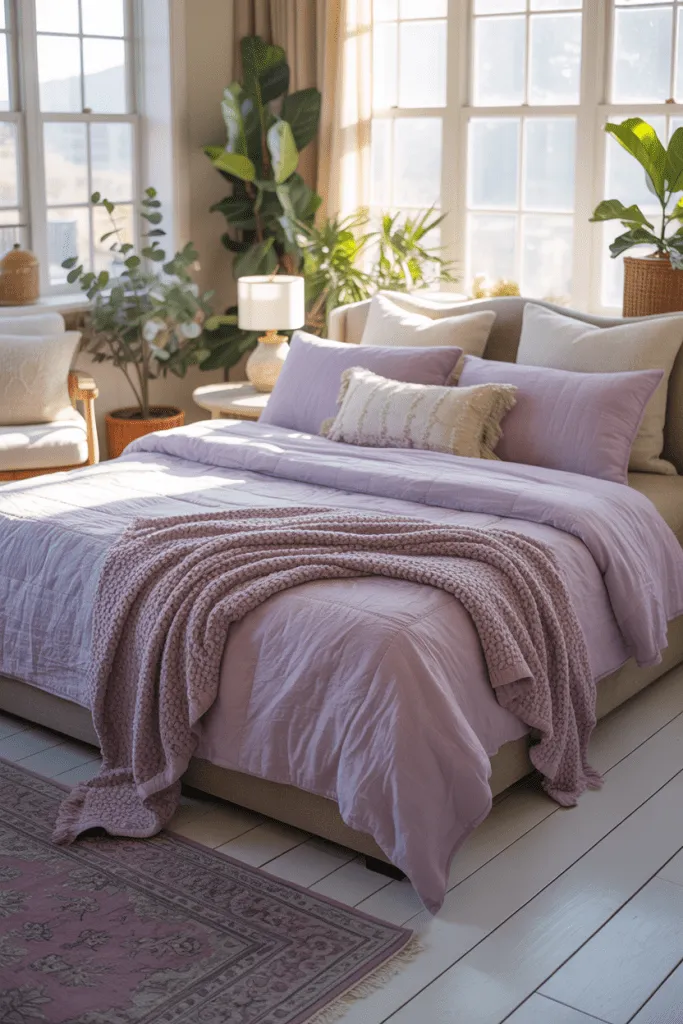
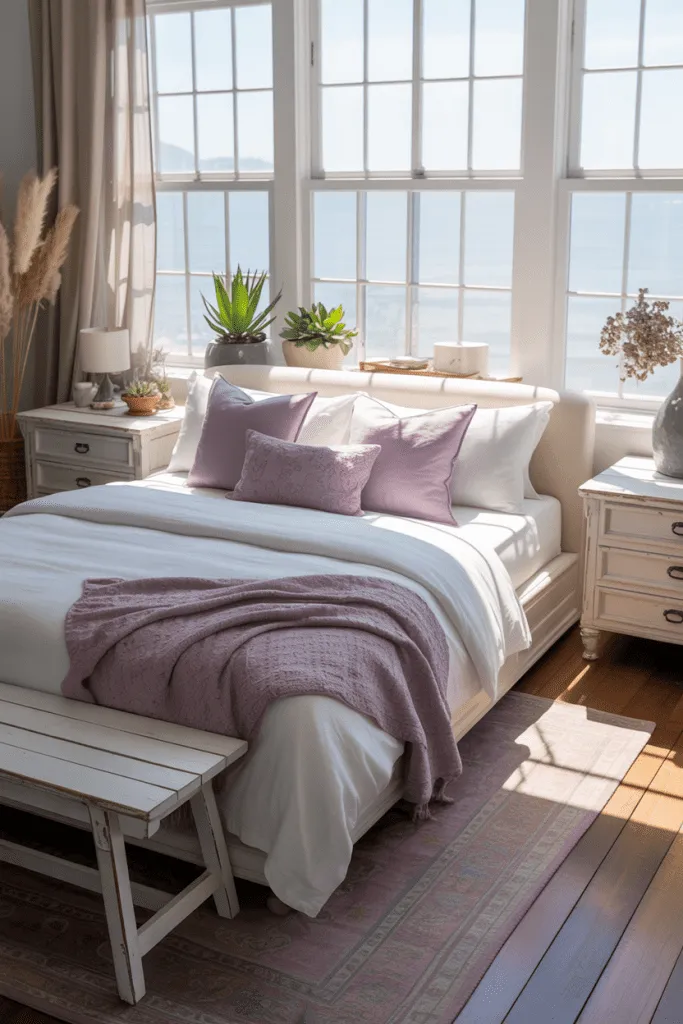
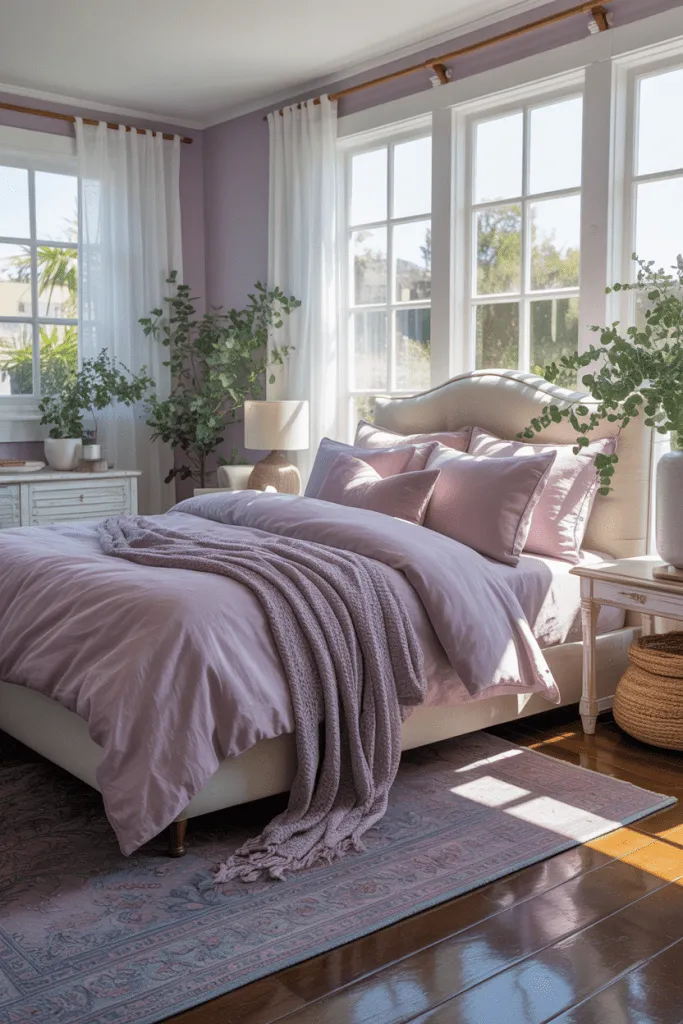
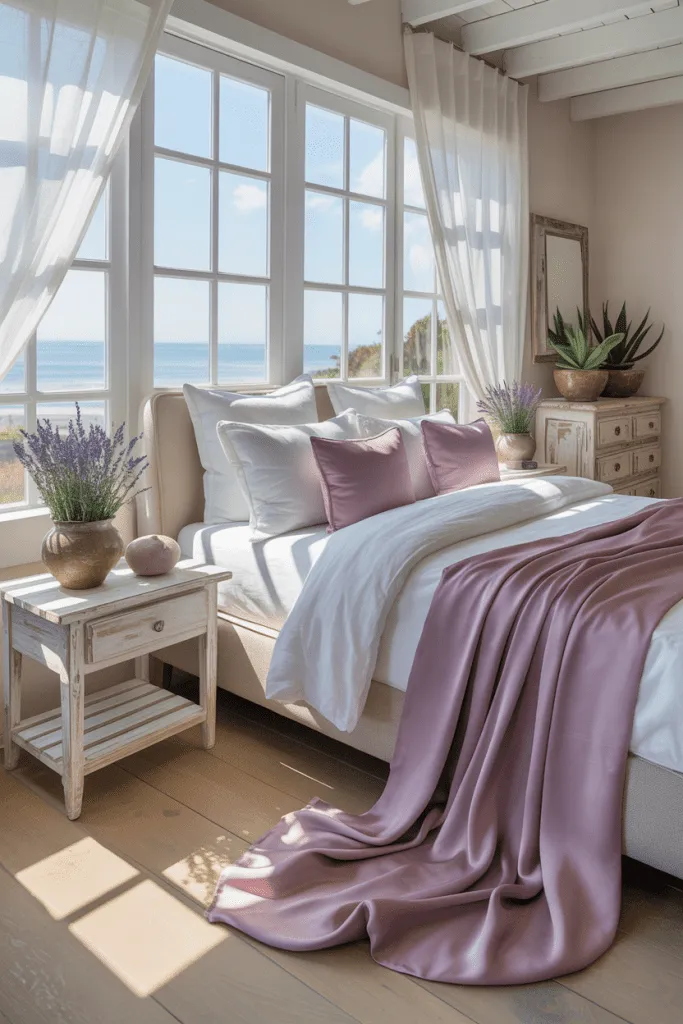
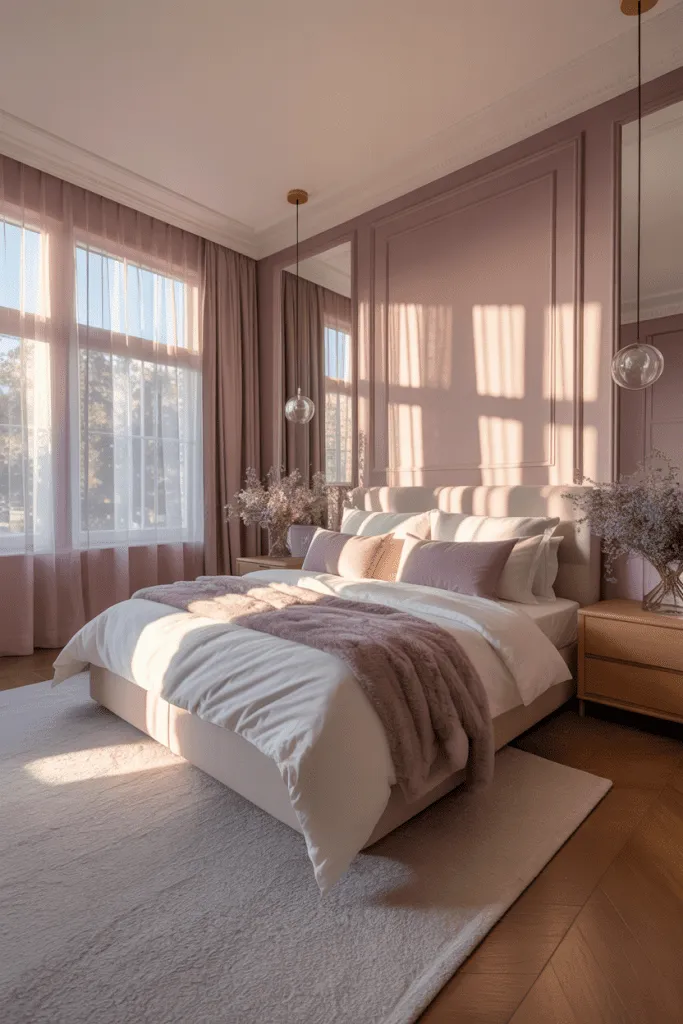
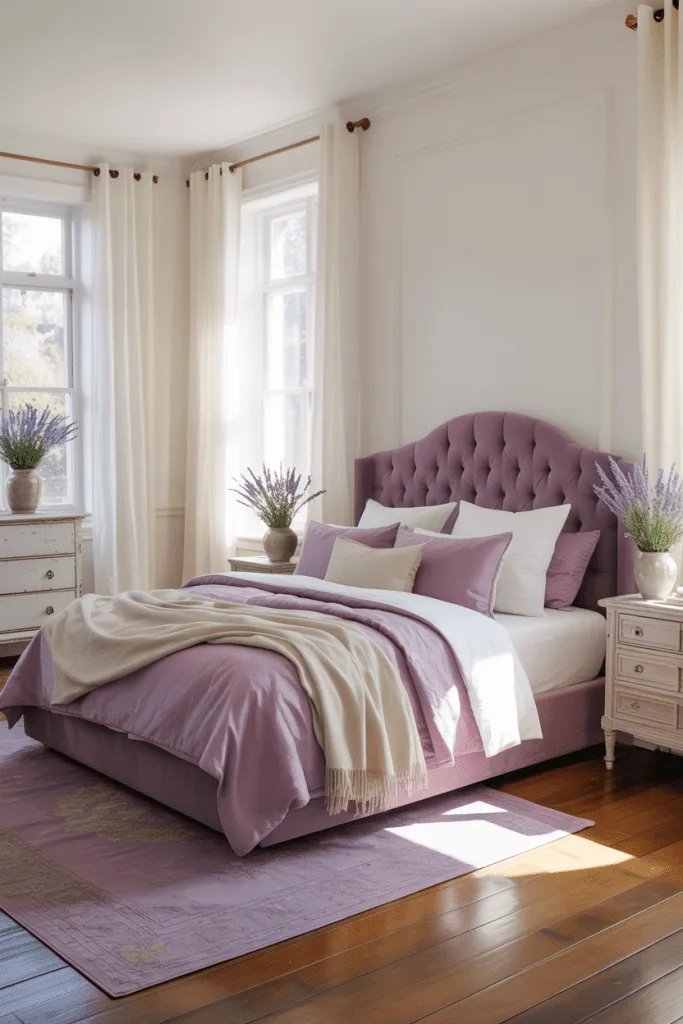
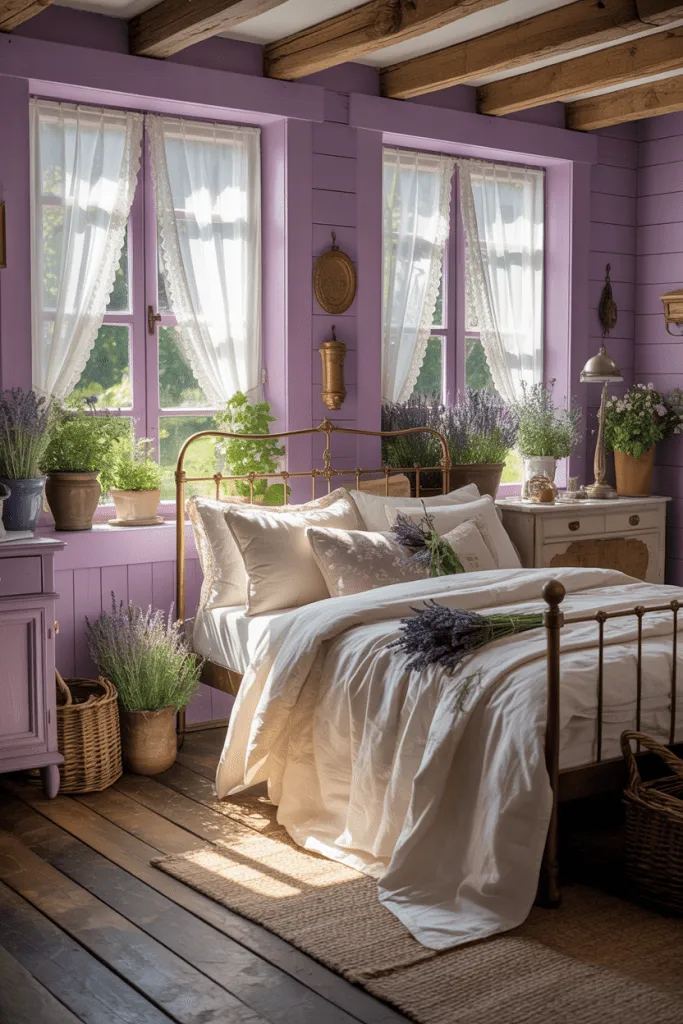
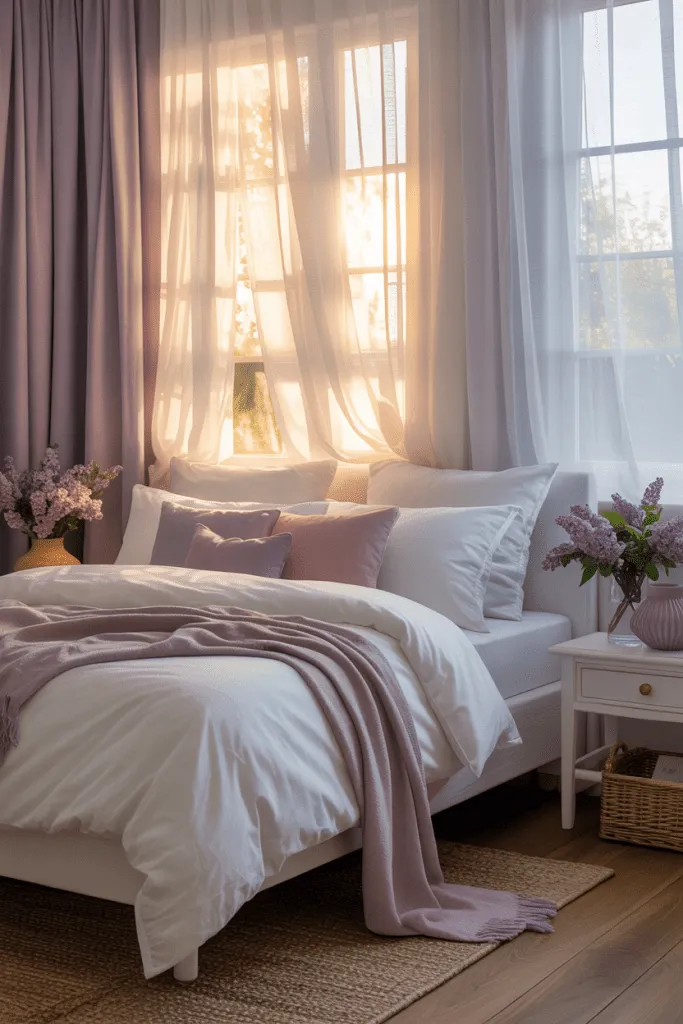
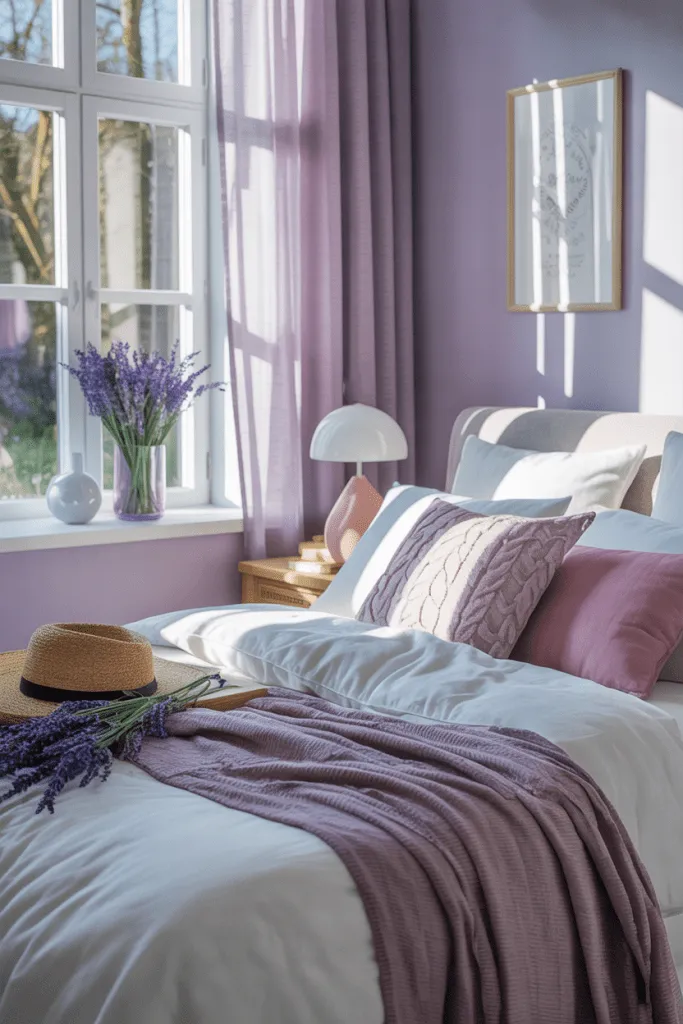
Soft lavenders and mauves have emerged as surprisingly versatile bedroom colors that offer both serenity and subtle sophistication. The most livable versions aren’t youthful purples but rather dusty, gray-influenced tones that feel both fresh and timeless. These colors bring a gentle femininity without being overtly sweet.
These muted purple tones create a unique atmospheric quality in bedrooms—they feel both cooling and warming simultaneously, making them adaptable to different seasons. In morning light, they appear fresh and uplifting; by evening, they take on a softly enveloping quality that feels protective.
What makes these colors endure beyond trend cycles is their subtle complexity. They carry undertones that shift subtly throughout the day, revealing different aspects of their character as light changes. This inherent changeability keeps them visually interesting over time.
Bedrooms in these gentle purple tones pair beautifully with natural linens in warm whites and soft grays. A simple upholstered headboard in a complementary neutral creates beautiful contrast while maintaining the room’s serene quality. Table lamps with ceramic or alabaster bases provide gentle illumination that enhances the color’s soothing properties. Small touches of black in picture frames or lighting can add definition without disrupting the room’s gentle harmony.
Warm Grays with Depth
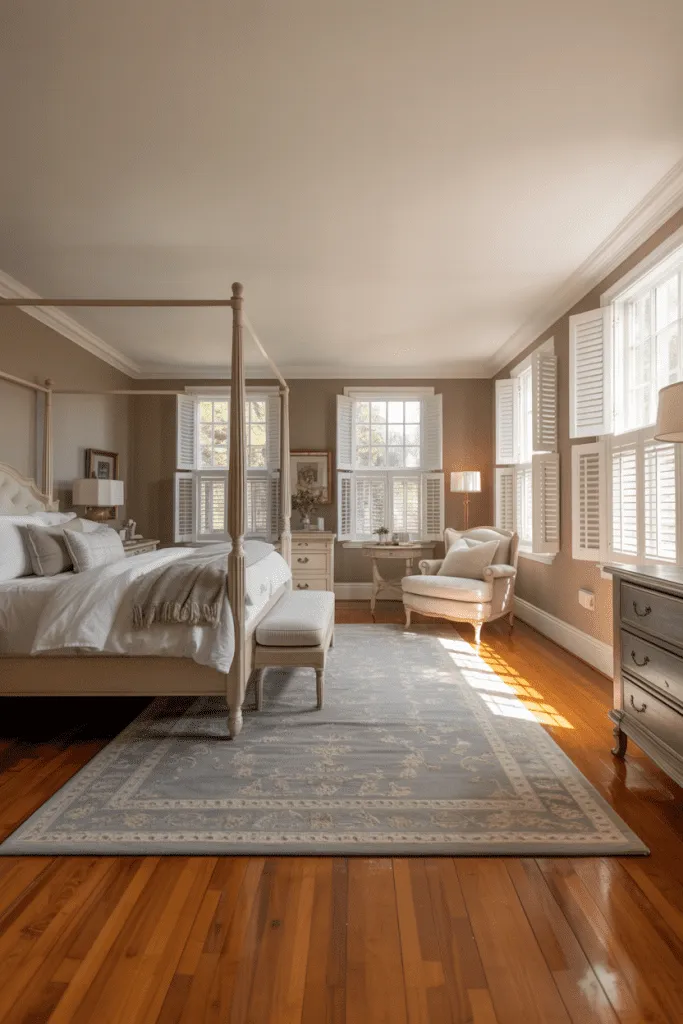
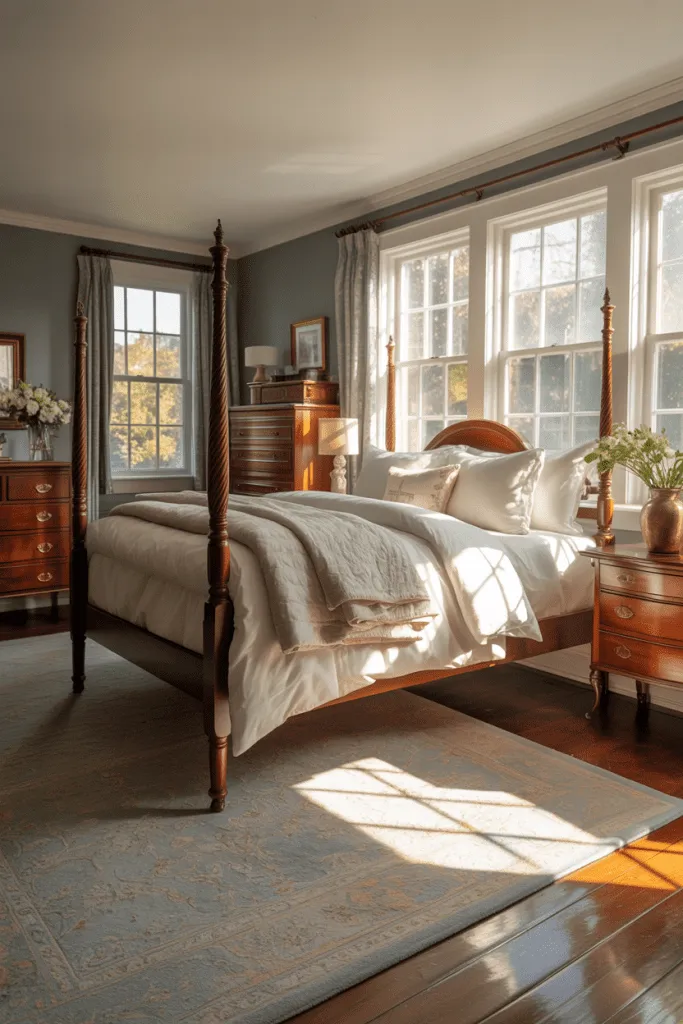
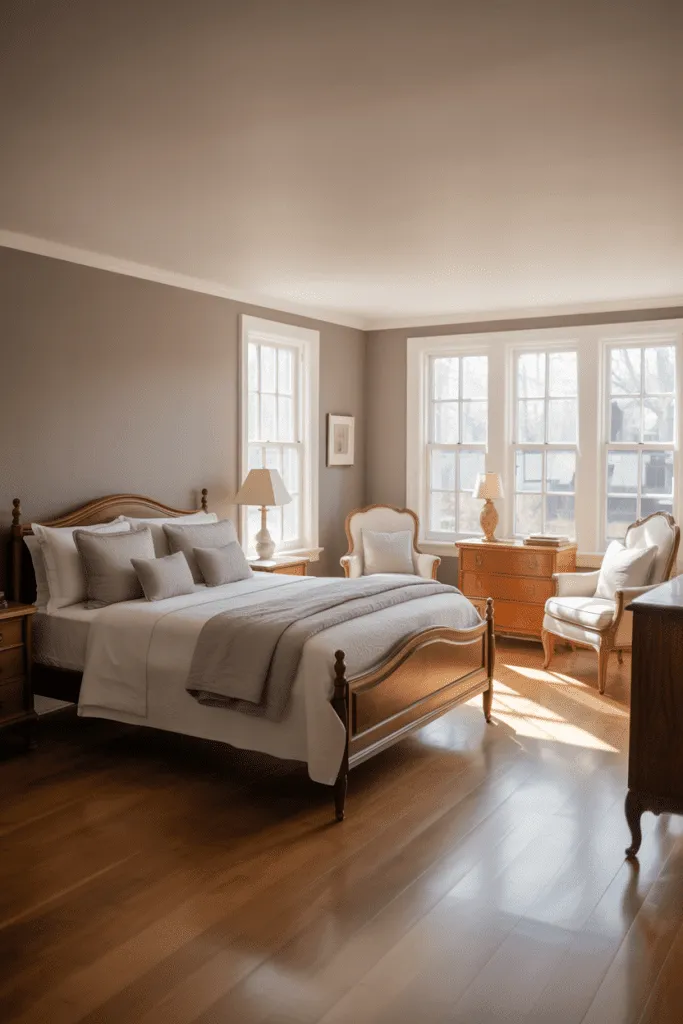
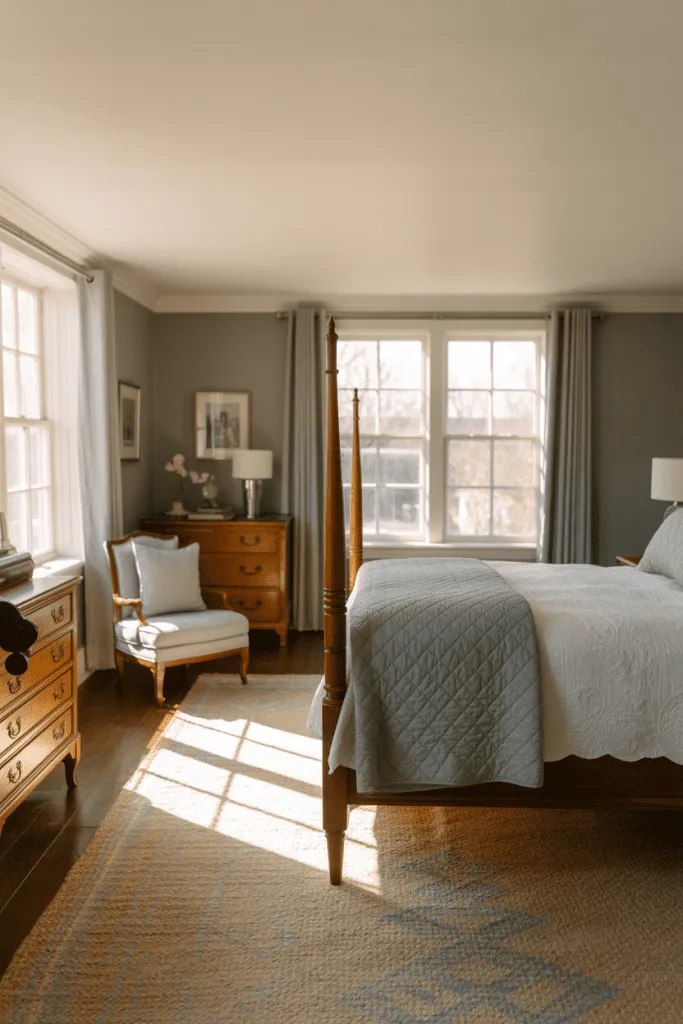
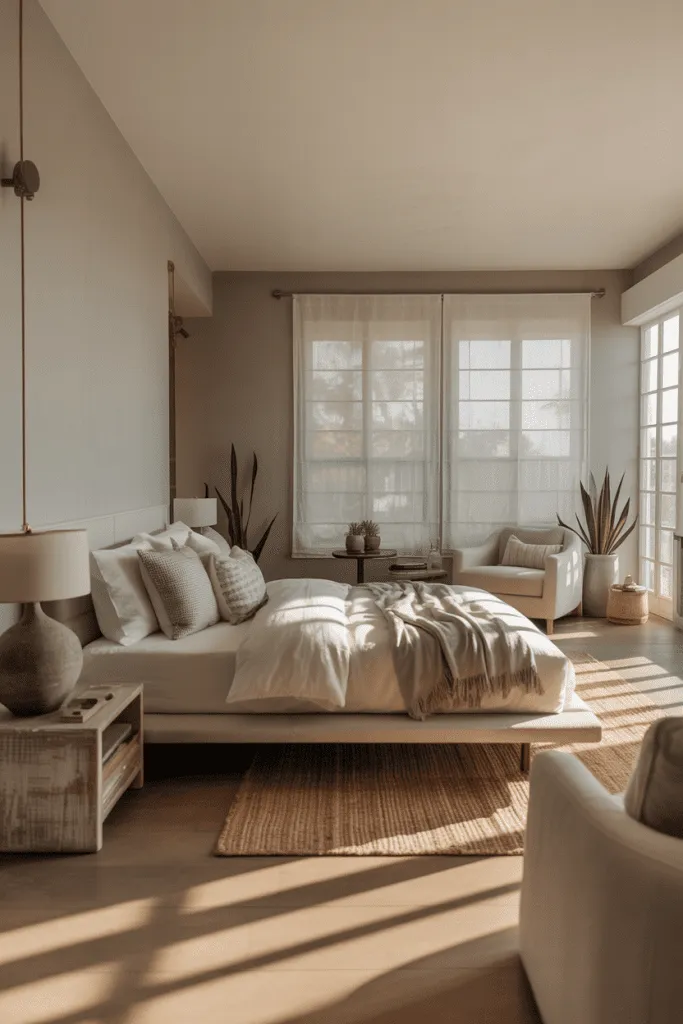
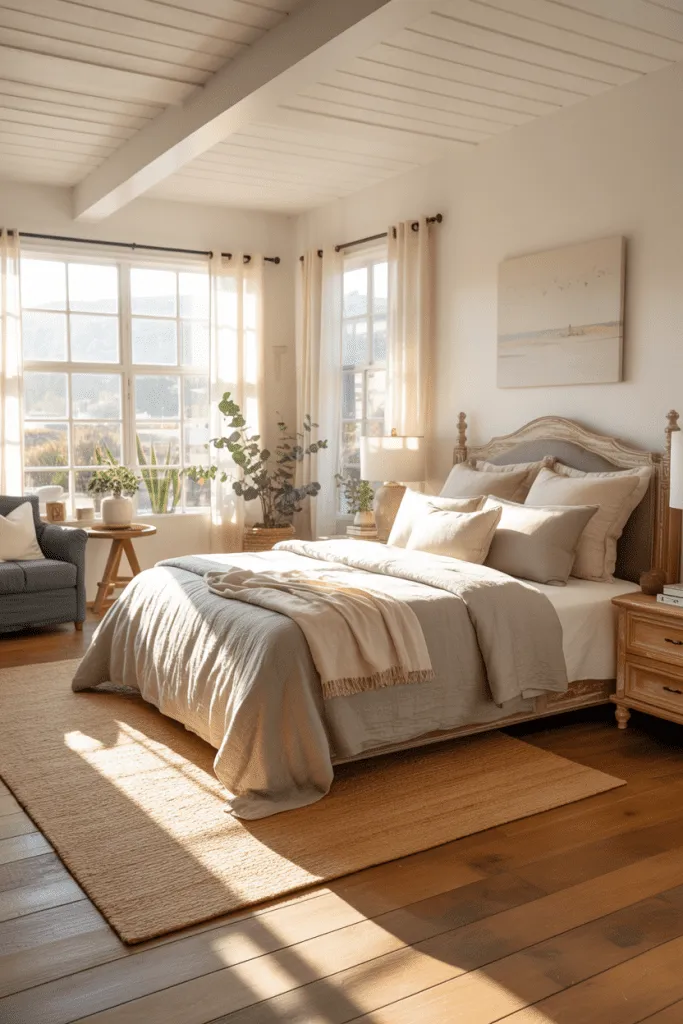
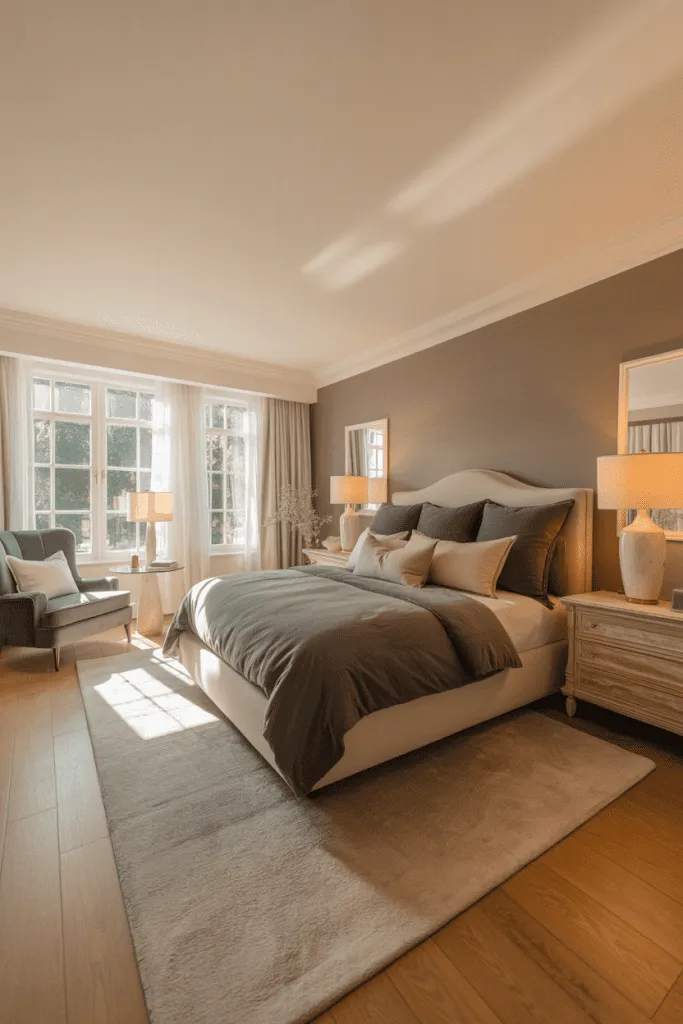
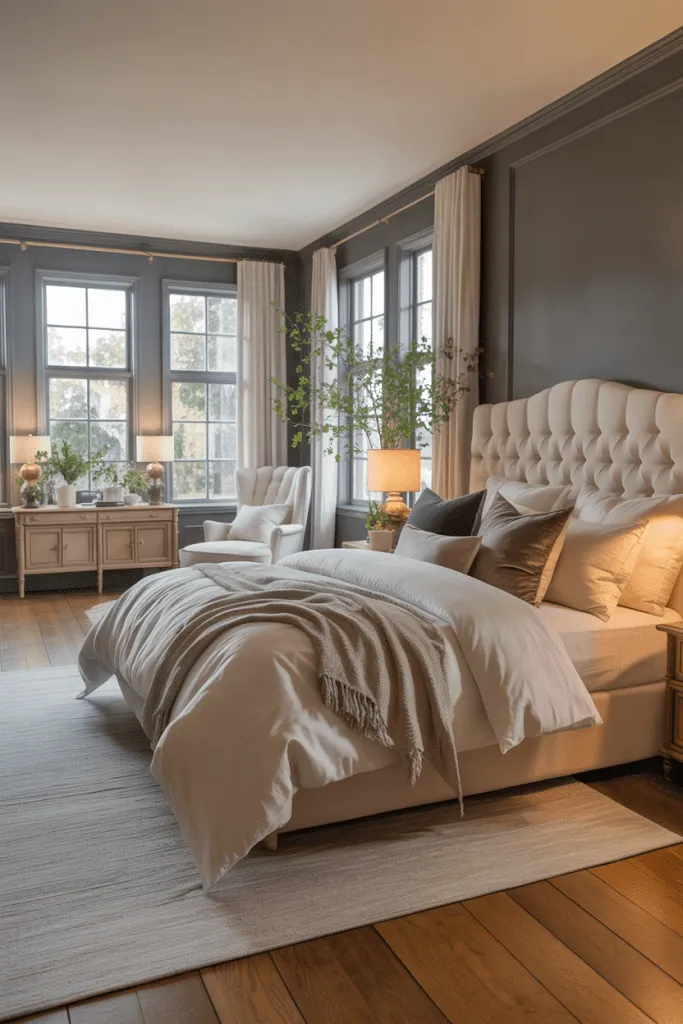
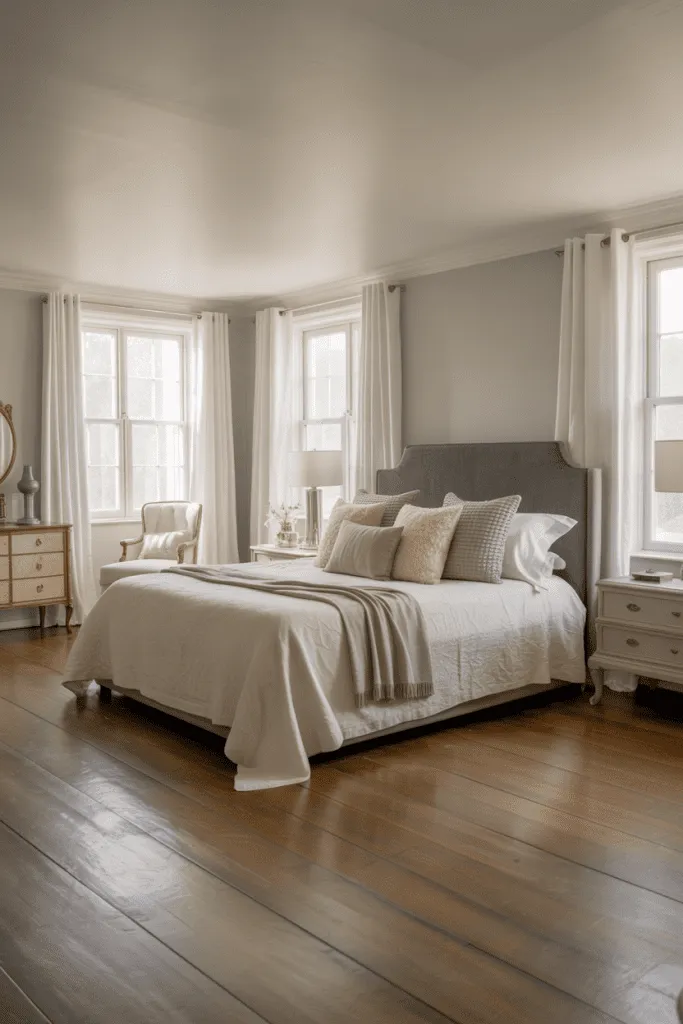
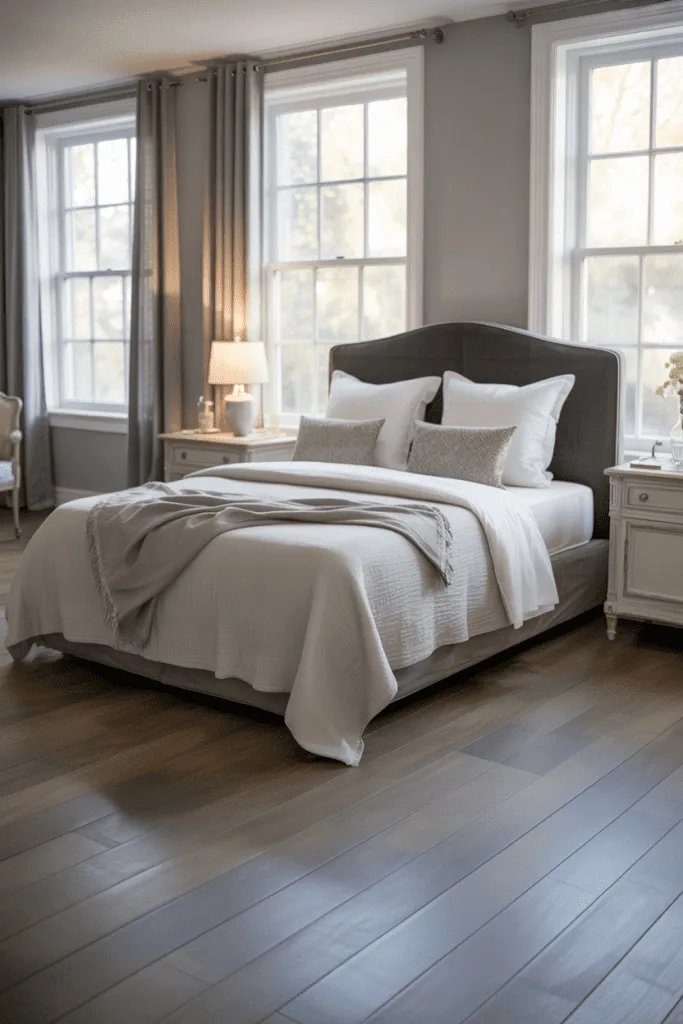
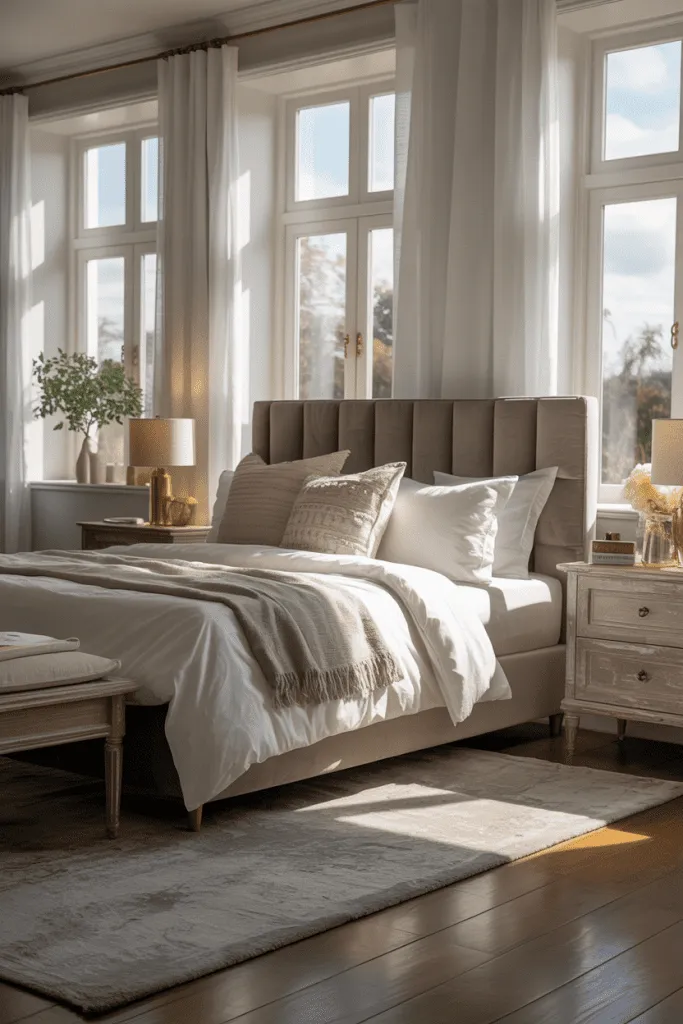
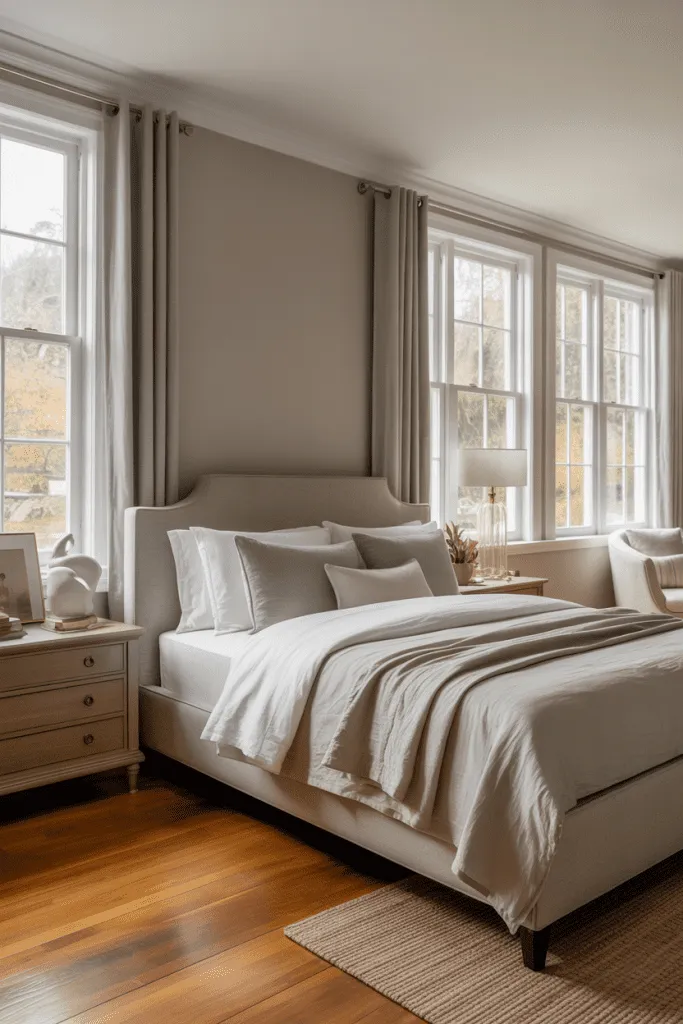
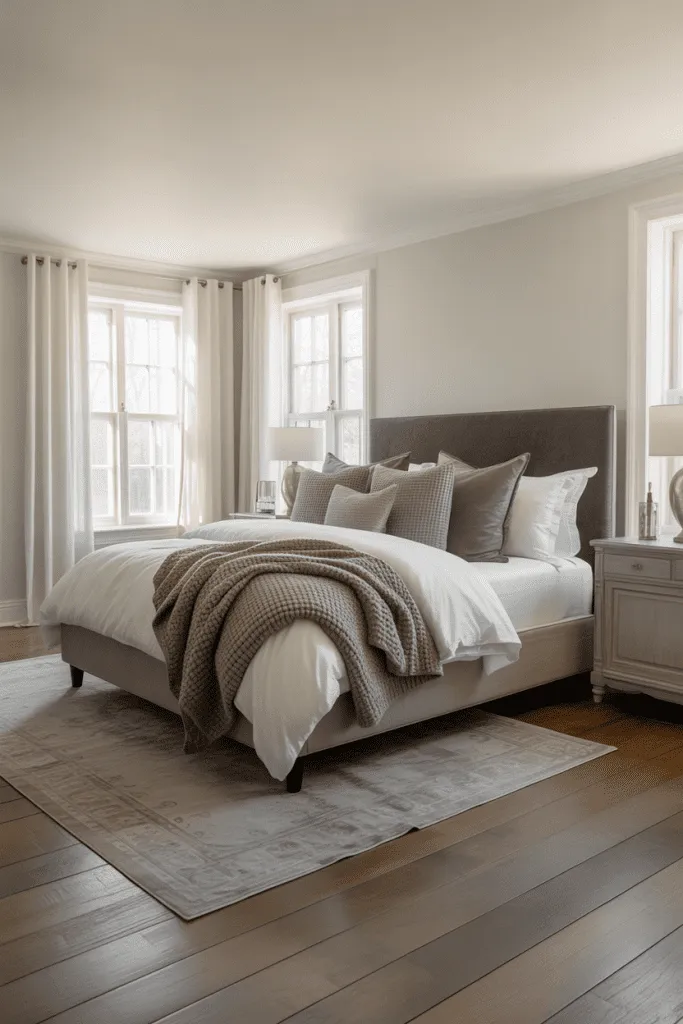
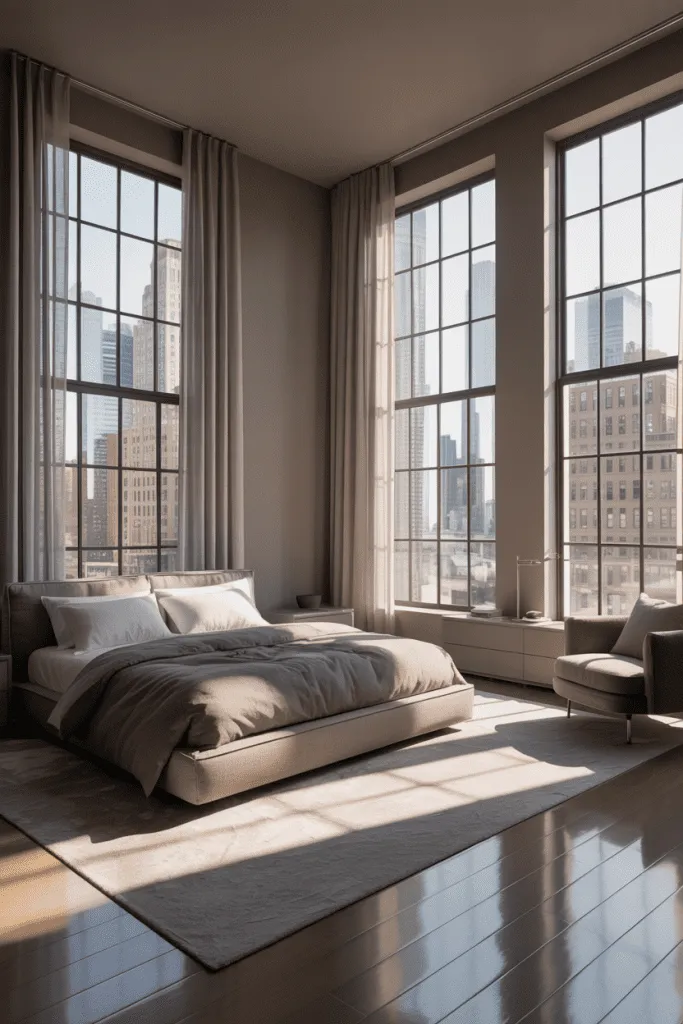
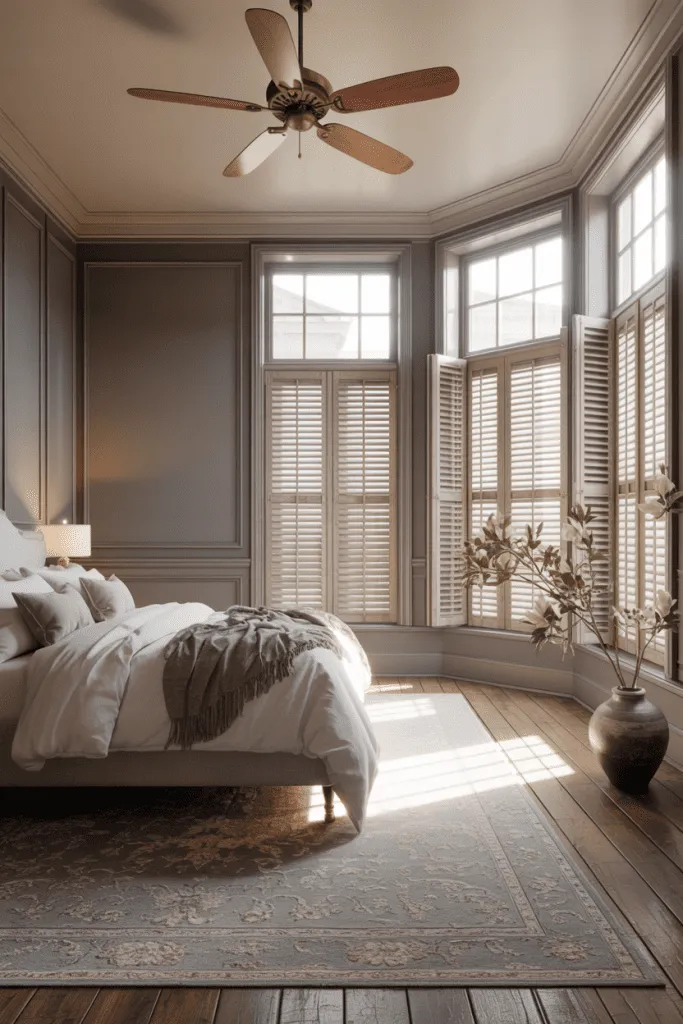
The evolution of gray in bedrooms has moved decisively toward warmer, more complex variations that feel inherently comforting. Unlike the cool, blue-based grays of recent years, these warmer versions carry subtle undertones of taupe, green, or purple that give them remarkable depth and presence.
These warm grays create spaces that feel sophisticated without austerity. They provide a beautiful neutral backdrop that supports rest while offering more visual interest than plain white. In morning light, they appear clear and defined; by evening, they take on a gentle, enveloping quality that signals the transition to sleep.
What makes these grays feel timeless rather than trendy is their middle-tone value and subtle warmth. They create rooms with presence and definition without feeling heavy or dark. They pair beautifully with natural materials and support a wide range of accent colors, making them incredibly versatile.
Bedrooms in this palette benefit from layered bedding with subtle textural variation—perhaps a quilted cotton coverlet paired with linen shams in complementary neutral tones. A textured area rug in a lighter shade adds warmth underfoot while creating gentle contrast. Wall sconces with warm-toned brass accents enhance the color’s inherent warmth while providing functional task lighting for evening reading.
Stone-Inspired Neutrals
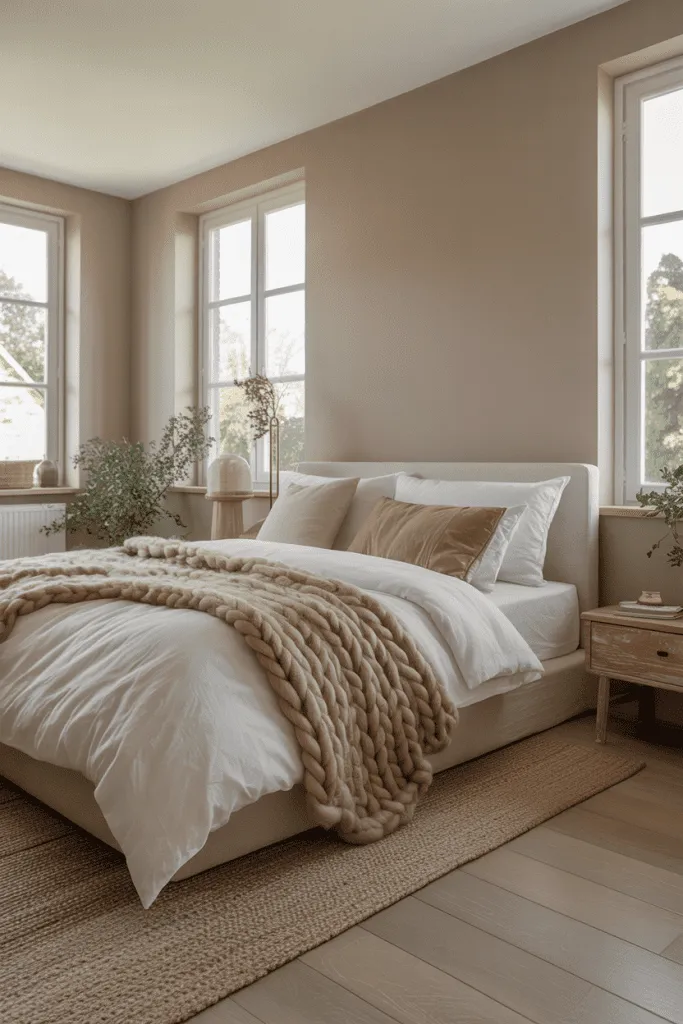
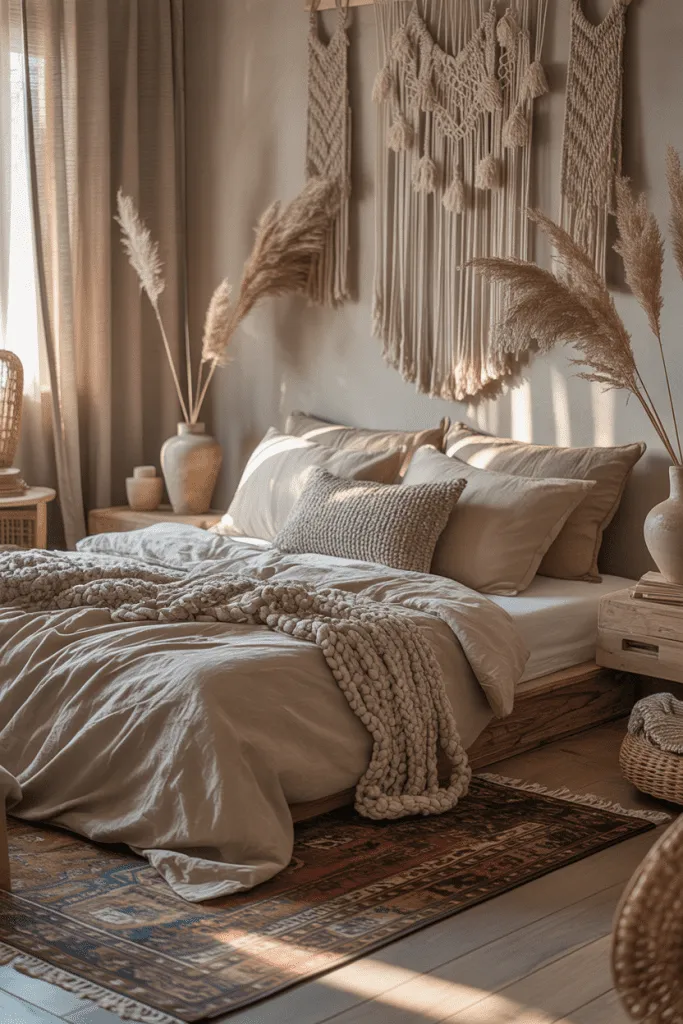
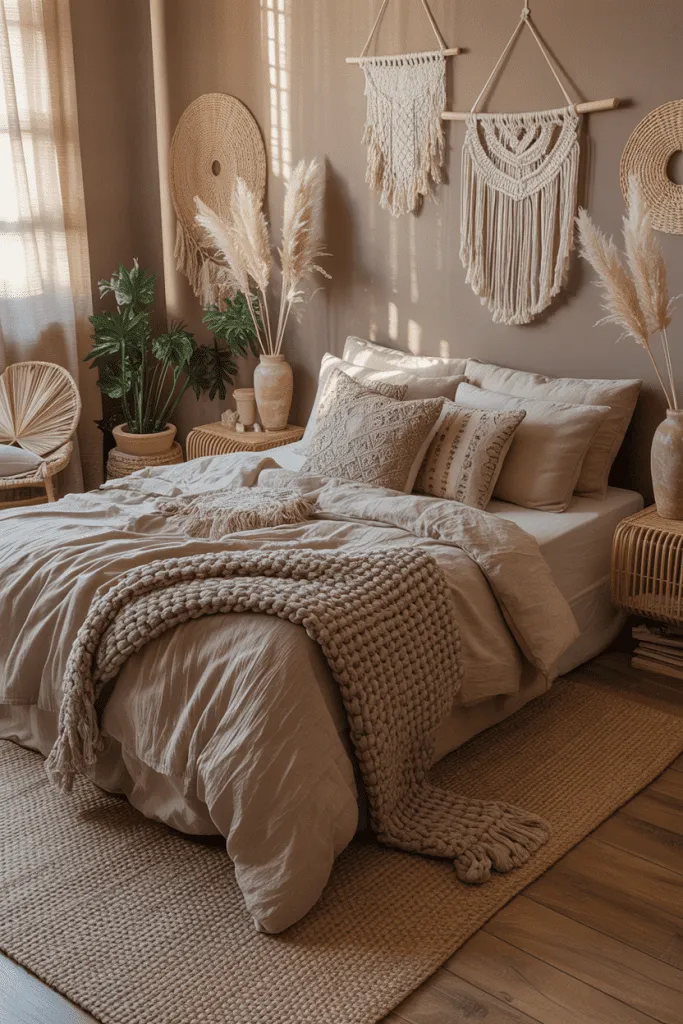
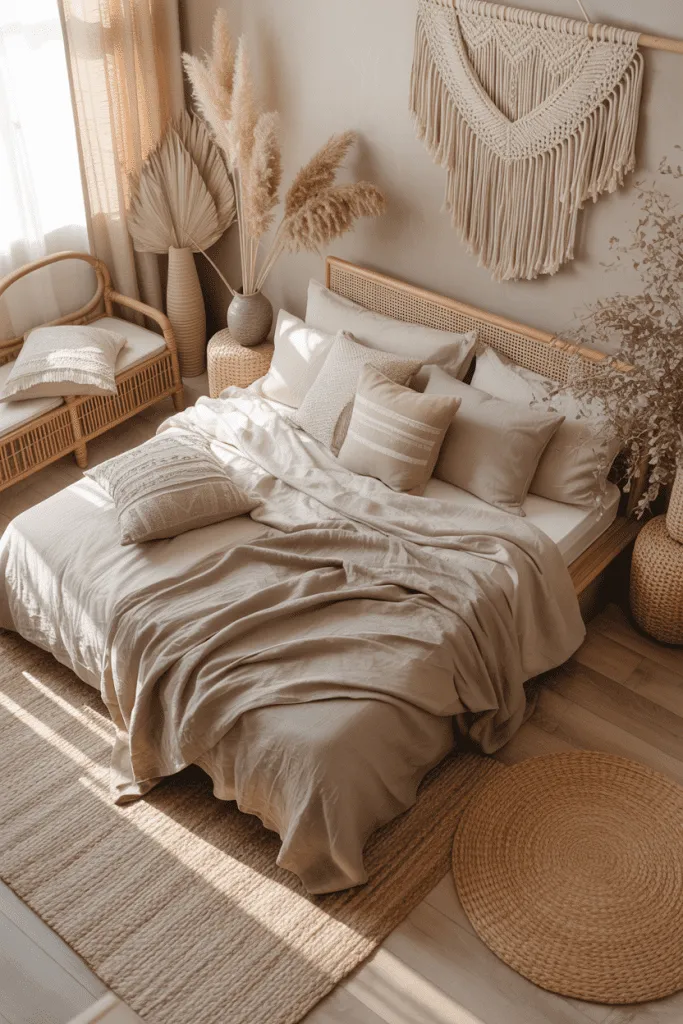
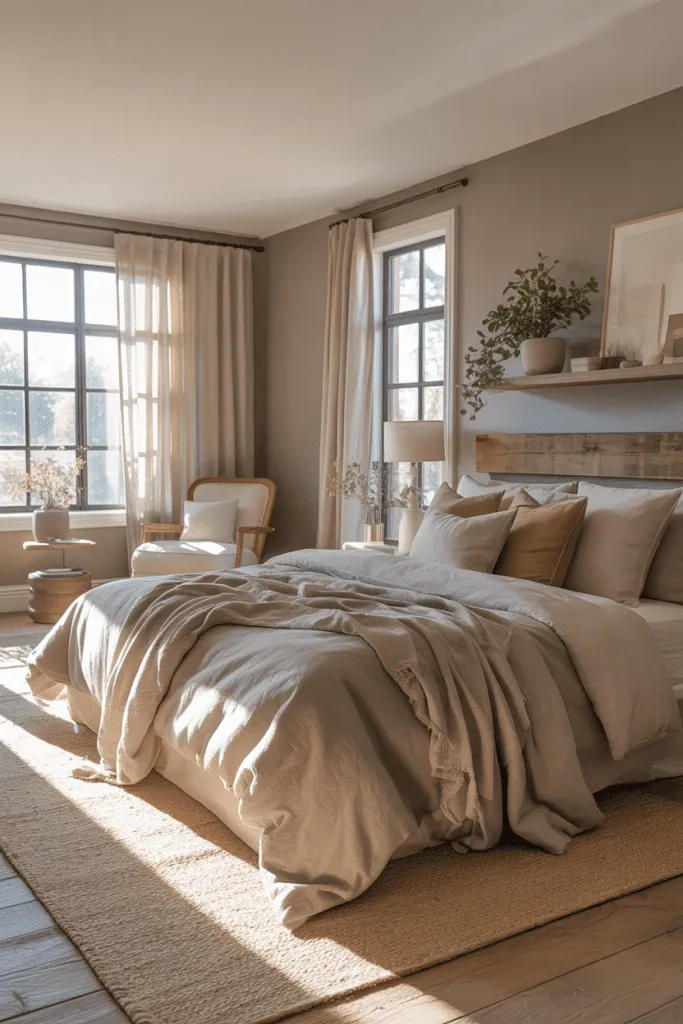
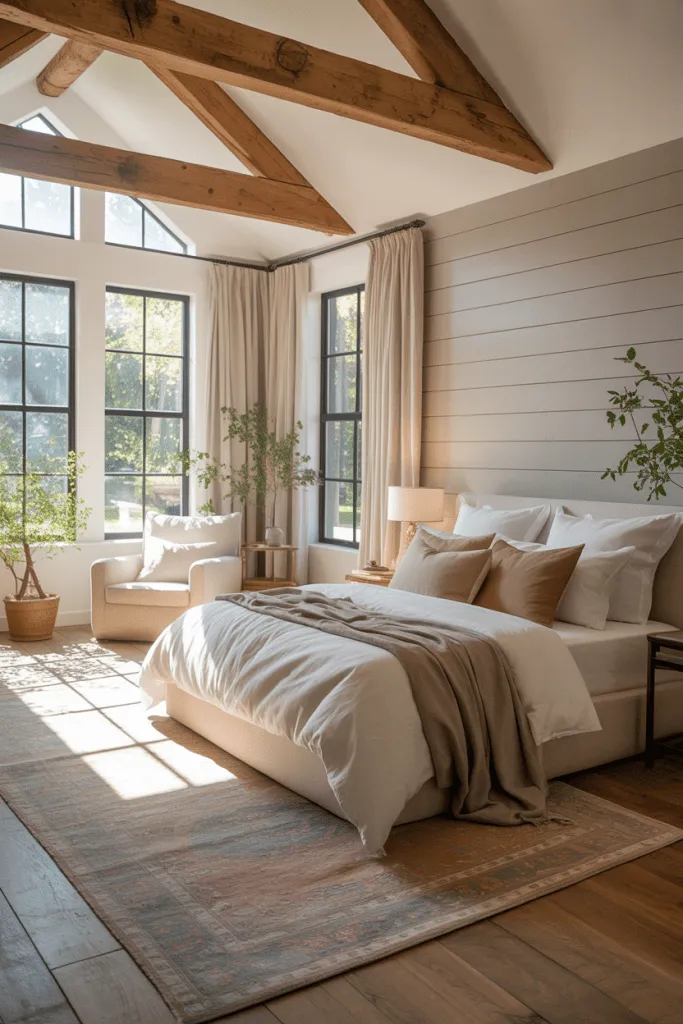
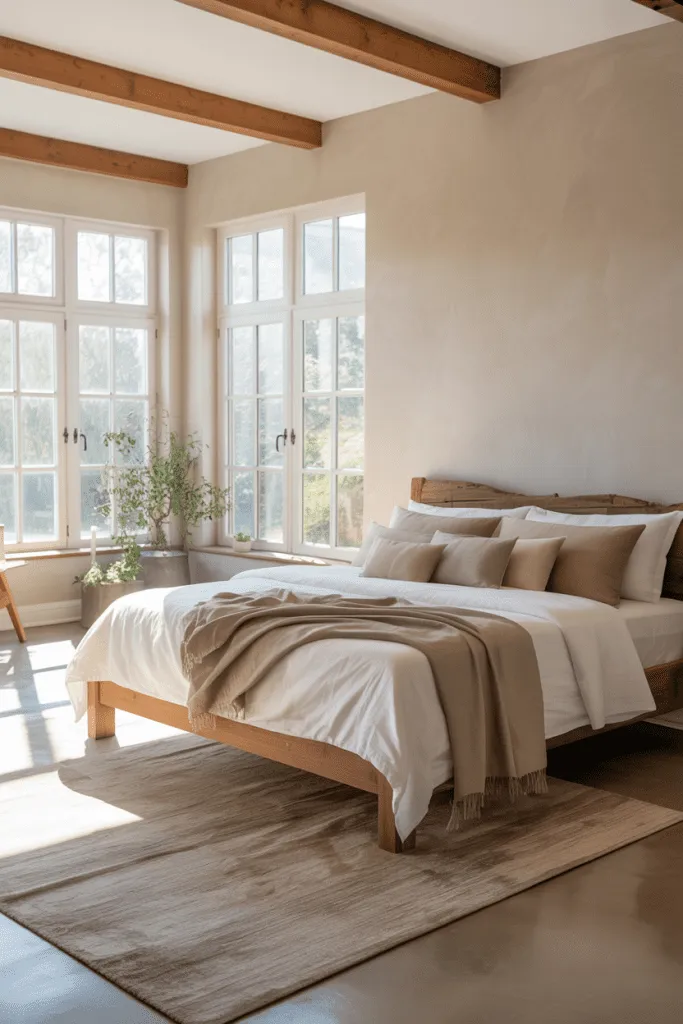
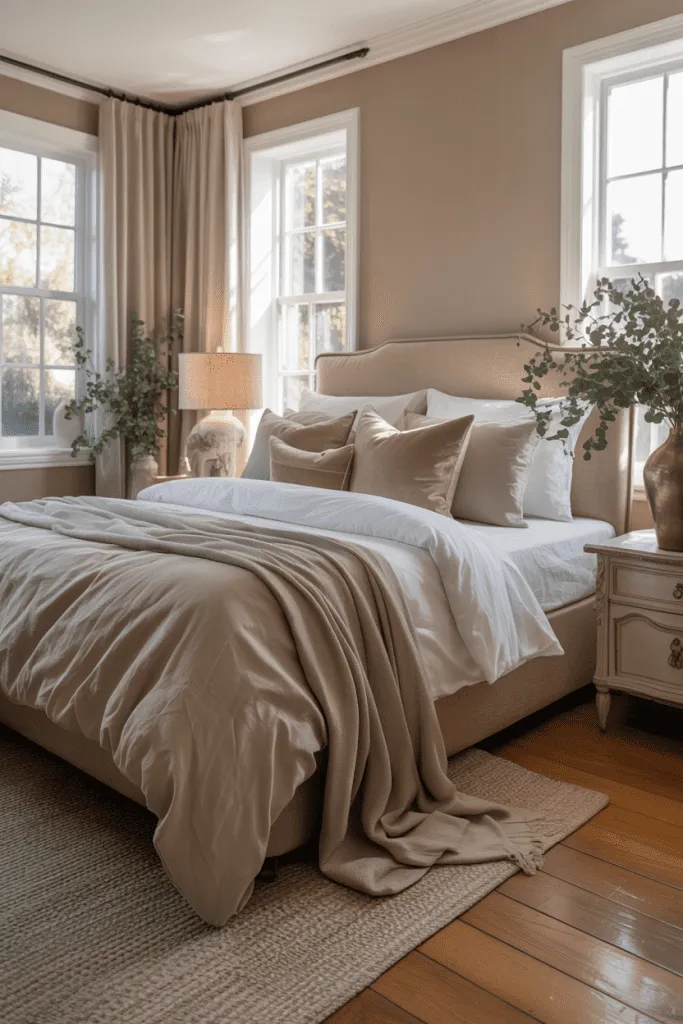
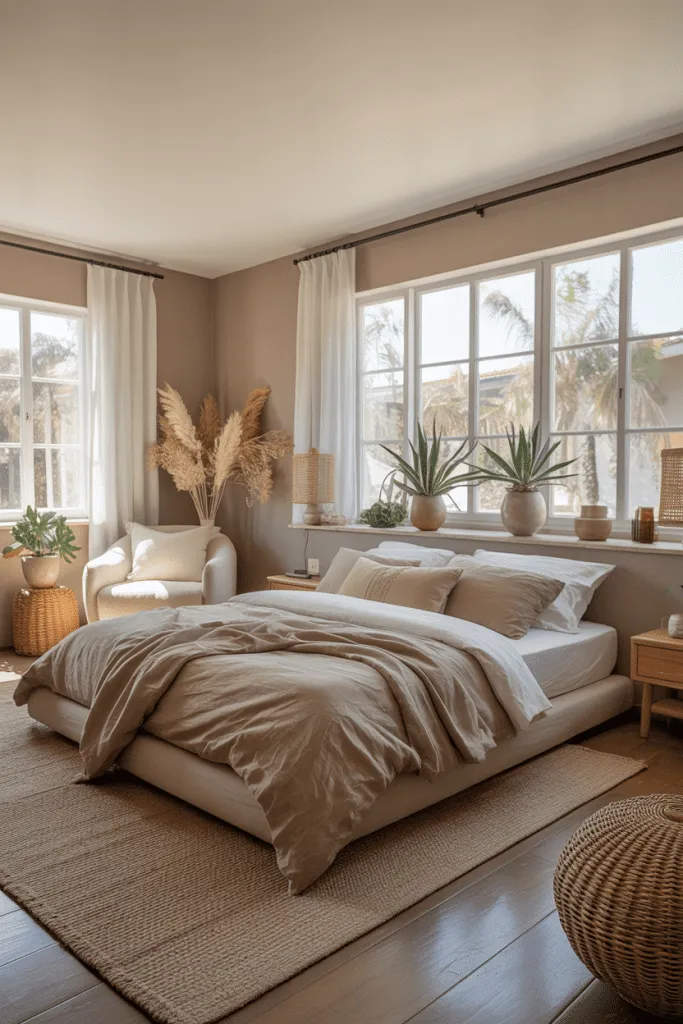
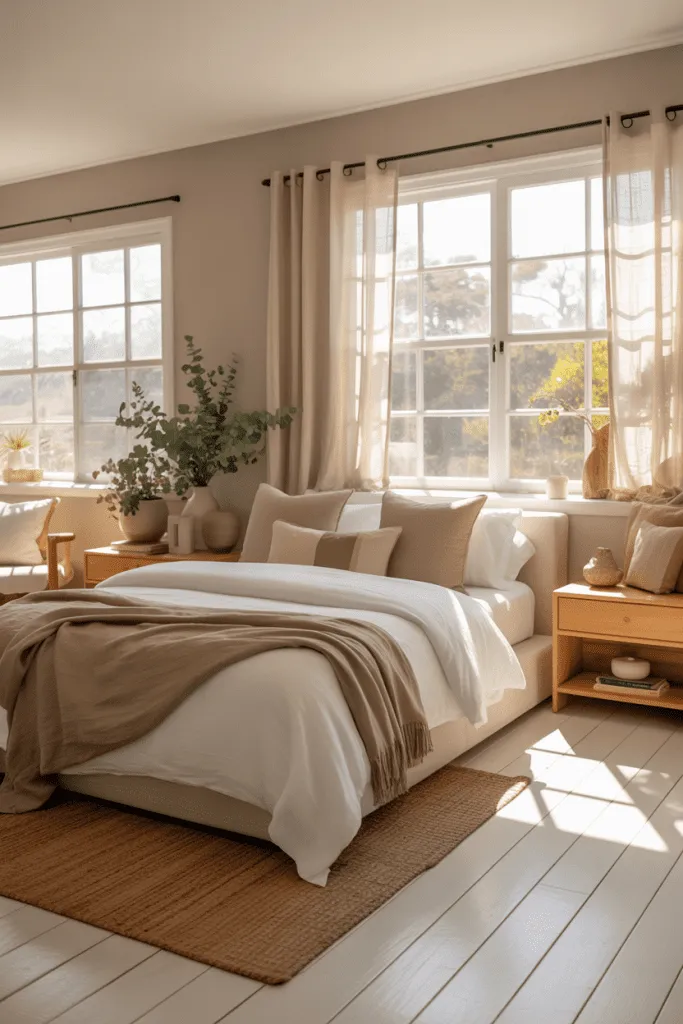
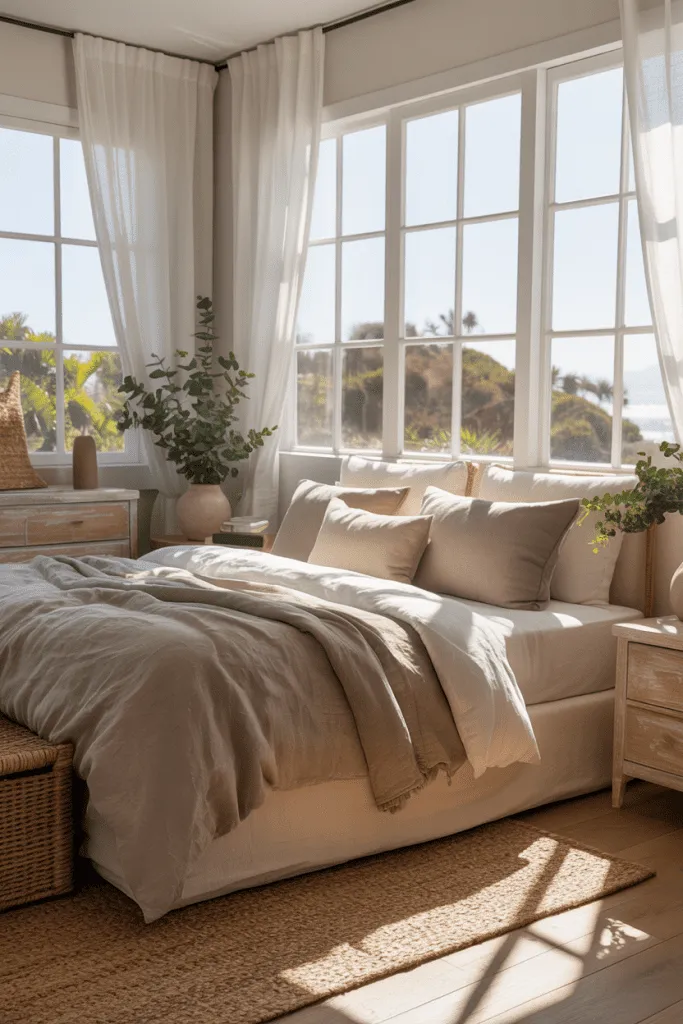
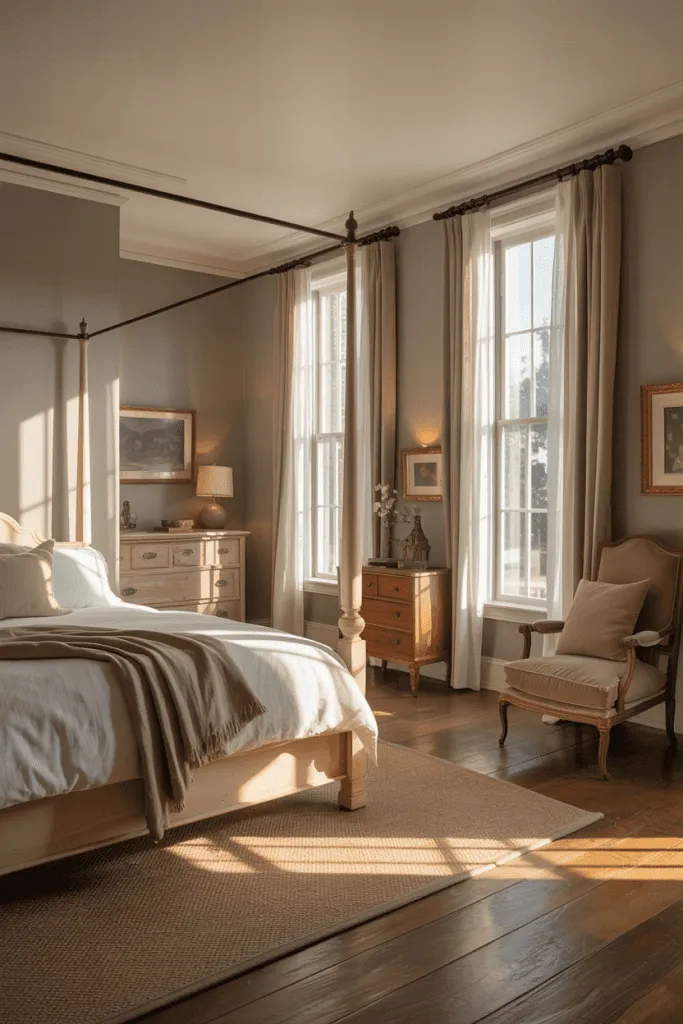
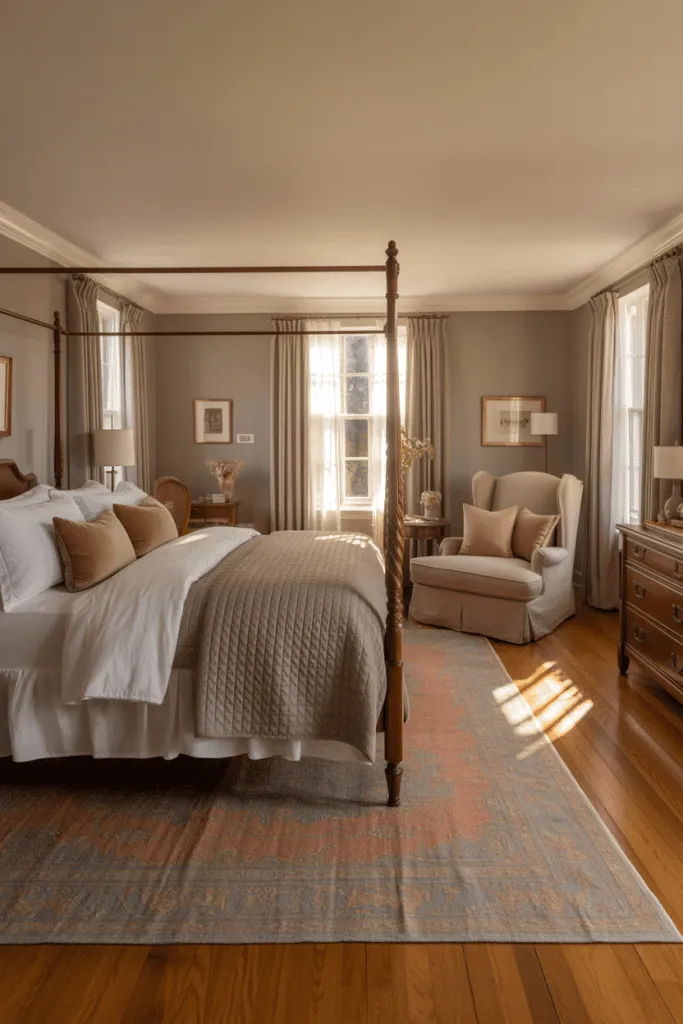
Stone-inspired colors—soft taupes, gentle greiges, and muted khakis—create bedrooms with a quiet presence that feels both current and enduring. These colors draw from natural limestone, sandstone, and clay, connecting our interior spaces to the timeless elements of the natural world.
What distinguishes these neutrals is their remarkable complexity. They shift subtly throughout the day, revealing different aspects of their character as light changes. In morning light, they appear clear and defined; by evening, they take on a gentle, protective quality that feels inherently restful.
These colors create a beautiful foundation for bedrooms because they support both simplicity and layering. They can stand confidently on their own with minimal furnishings, or they can provide a sophisticated backdrop for more textured, layered spaces. Their inherent versatility makes them particularly valuable for spaces that need to evolve over time.
Bedrooms in these stone-inspired palettes pair beautifully with natural materials—perhaps a wooden bed frame with visible grain, linen bedding with subtle texture, or a handwoven wool rug with gentle pattern. Table lamps with ceramic or stone bases in complementary tones enhance the room’s connection to natural materials. A few carefully chosen objects in black or dark bronze can add definition and visual anchor points without disrupting the room’s serene quality.
Finding Your Timeless Palette
The most enduring bedroom colors share certain qualities—they respond beautifully to changing light, they create emotional resonance without overwhelming the senses, and they provide a sense of gentle protection that supports rest and renewal. While color preferences remain deeply personal, these palettes offer a foundation for creating spaces with lasting presence.
What makes these color directions truly timeless is their connection to both our emotional needs and the natural world. They draw from earth, stone, plants, and sky—elements that have surrounded humans throughout our existence. This connection to nature helps create bedrooms that feel both current and enduring.
The most successful bedroom colors are those that create a sense of harmony between the space and its inhabitants. They should feel like a natural extension of your emotional landscape rather than an imposed design statement. Take time to observe how different colors make you feel, how they respond to the particular quality of light in your space, and how they transition from morning to evening.
Remember that truly timeless bedrooms are built through restraint and intention. They prioritize emotional ease over dramatic statements. The colors that will serve you best are those that create a sense of calm recognition—a feeling of coming home to yourself at the beginning and end of each day.